Related Articles
- Reviving Ancestral Wisdom: How Outdated Superstitions Can Shape Contemporary Mental Health Practices
- Veiled Histories: How Little-Known Figures from the Past Can Transform Contemporary Leadership Approaches
- The Art of Disruption: How Past Rebellions Shape Today's Entrepreneurial Spirit
- Lost in Translation: The Surprising Role of Language in the Evolution and Misunderstanding of Global Currency
- Currency as a Canvas: Exploring the Intersection of Politics, Propaganda, and Artistic Expression in Monetary Design
- Unmasking the Shadows: How Currency Forgers Shaped Financial Trust and Safety Through the Ages
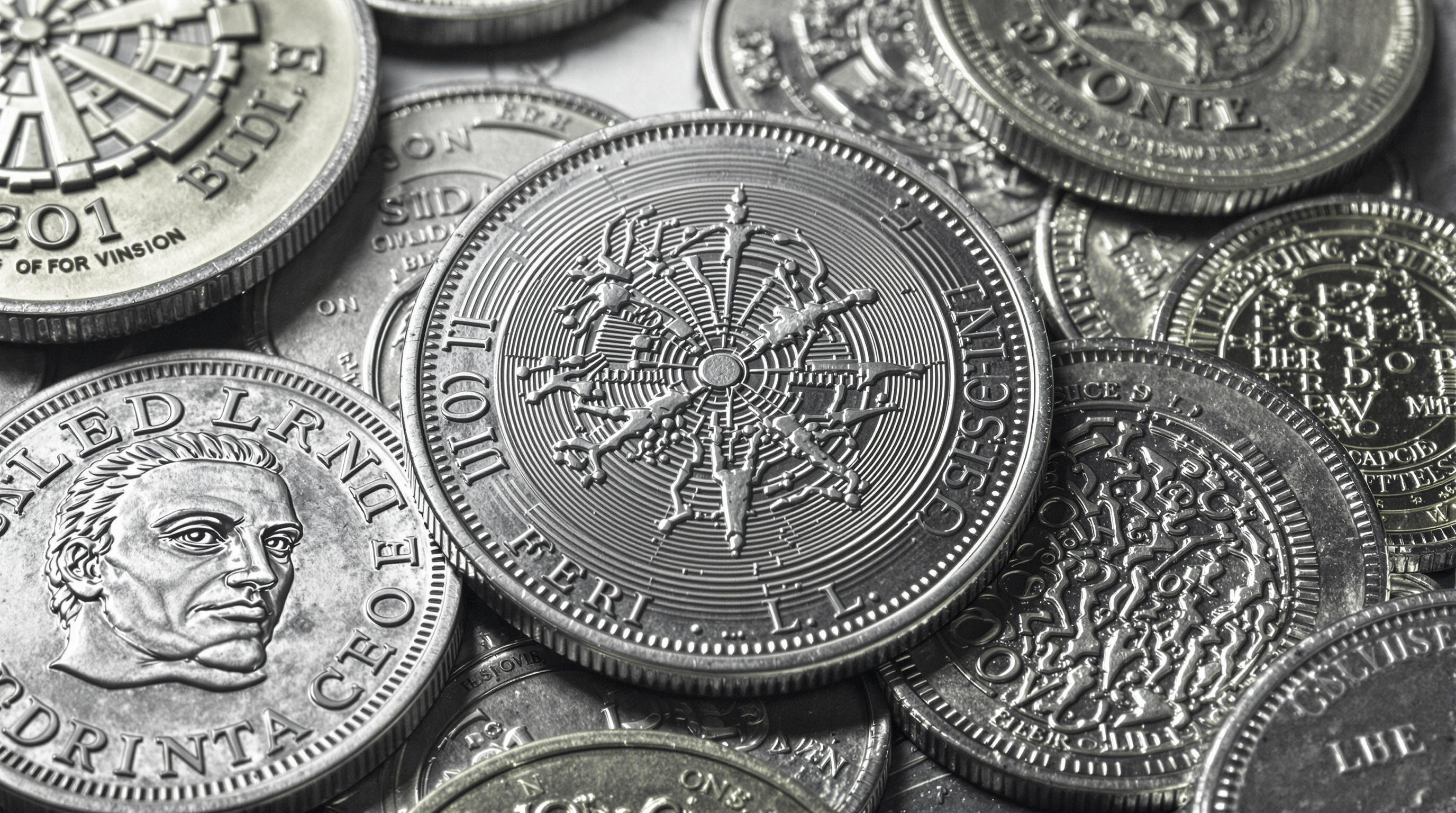
Coins of the Apocalypse: How Crisis Shapes Currency Evolution and What It Means for Future Design
Coins of the Apocalypse: How Crisis Shapes Currency Evolution and What It Means for Future Design
The evolution of currency has always been closely tied to societal crises, whether they be economic depressions, political upheavals, or existential threats. By examining historical examples, current trends, and future possibilities, we can uncover how these crises create unique opportunities for rethinking and redesigning our currencies.
From Barter to Bitcoin: A Brief History
Historically, currency has evolved through various forms, from bartering goods to the introduction of coins and banknotes. The first coins made of electrum were created around 600 BC in Lydia and marked a revolutionary change in human commerce.
Fast forward to today, and we find ourselves in the throes of a digital revolution. Cryptocurrency emerged from the chaos of the 2008 financial crisis, illustrating how crises can ignite innovation in monetary systems. Bitcoin, the first and most well-known cryptocurrency, was created as a decentralized response to bank failures and economic instability. As of October 2023, around 16% of American adults own some form of cryptocurrency, illustrating its growing acceptance and relevance (Pew Research Center).
The Great Depression: A Change Catalyst
The Great Depression of the 1930s forced nations to confront the limitations of their monetary systems. In the United States, President Franklin D. Roosevelt’s New Deal introduced a series of reforms, including the establishment of the FDIC (Federal Deposit Insurance Corporation) to restore public confidence in the banking system. Additionally, during this time, many countries abandoned the gold standard, showcasing how monetary crises can lead to foundational shifts in currency representation.
It’s fascinating to consider how the economy’s closure brought on by the pandemic in 2020 mirrored some of these historical crises. In an unprecedented move, countries printed massive amounts of money to stimulate economic recovery, leading to discussions about the potential for a digital dollar or central bank digital currencies (CBDCs). These innovations are seen as crucial adaptations in a world defined by uncertainty.
What Crisis Brings to Currency Design
Design is often overlooked when discussing currency’s evolution, but it plays a critical role in establishing trust and effectiveness. Currency design is about more than aesthetics; it encompasses security features, cultural symbolism, and accessibility. When crises arise, they often expose flaws in the existing monetary framework and prompt designers to think creatively.
For instance, the COVID-19 pandemic spurred tremendous interest in contactless payments, leading to the rapid adoption of mobile wallets and digital currencies. According to a study by McKinsey, cash transactions fell from 26% to 19% in the U.S. between 2019 and 2021 as consumers opted for safer, cleaner methods of transaction (McKinsey).
The Visual Language of Failure
The visual elements in currency design convey collective respect and shared history. They often reflect the prevailing mood of the time. For example, after World War II, many nations re-evaluated their currency designs to incorporate symbols of hope and renewal, such as the cherry blossom on the Japanese yen. Alternatively, the introduction of the euro in 2002 aimed to symbolize unity amidst past conflicts in Europe.
On the flip side, what happens when nations’ crises lead to distrust in their currency? Venezuela provides a harrowing case study. Following years of economic mismanagement and hyperinflation, the government released the "bolívar soberano" in 2018, slashing five zeros off the failing currency. Citizens were left struggling as the state of their finances crumbled, leading many to turn to the U.S. dollar or cryptocurrencies as alternatives (BBC).
Adapting to New Realities
Currencies need to adapt, and crises provide fertile ground for such innovation. The rise of mobile banking in developing nations is an exemplary case. In regions lacking robust banking infrastructures, mobile money services like M-Pesa in Kenya have provided essential financial tools. This infrastructure flourished in response to economic challenges and social needs, proving that necessity truly is the mother of invention.
The Future: Design Meets Technology
As we look ahead, the intersection of design and technology in currency becomes ever more crucial. The advent of cryptocurrencies has introduced a microcosmic form of crisis-based evolution. New digital currencies such as Ethereum not only represent a new financial system but also a new aesthetic, shaped by the tech-savvy youth who engage with them.
Interestingly, these digital formats also consider environmental impacts. The demand for blockchain technology has led to discussions around sustainable mining practices, spurring innovations that could harness renewable energy sources. Future currency designs might incorporate more sustainable practices, influenced by the recent climate crisis we are facing globally.
In the Absence of Trust
One of the most sobering realizations is that when the trust is shattered, as seen with the collapse of major banks or governmental crises, people are quick to turn to alternatives. Presently, CBDCs are on the horizon in several countries, leveraging blockchain technology to marry the benefits of cash with the advancements of digital currency. However, will these designs be embraced if they emerge from an air of distrust?
Currency as Cultural Reflection
Throughout history, money has served as a cultural mirror, reflecting society's values, anxieties, and aspirations. Contemporary designs often reveal much about the zeitgeist. Are we emphasizing individualism, as seen in the portrayal of historical figures on U.S. currency? Or do we aim for inclusivity and representation, as in the redesign of the British 20-pound note to include the image of Jane Austen?
Crisis inevitably shapes these cultural reflections. For example, the Black Lives Matter movement has led some financial institutions to reconsider how they represent diversity and inclusion in their currency designs. Currency can serve as a canvas for social messages, making it imperative for designers to think critically about who they are representing and why.
Transcending Borders
In a world increasingly characterized by globalization, currency design transcends national borders. Regional currencies are experiencing a renaissance with shared economic interests. The African Union, for instance, has proposed a common African currency as part of its vision for economic unity. This move could be seen as a crisis response, recognizing the political and economic challenges many African nations face and using design as a vehicle for integration.
Humor in the Face of Crisis
And let's not forget the lighter side of currency evolution. Take the "Worthy" dollar bills from cartoonist Chris Ware, depicting amusing, yet relatable, scenarios that reflect modern struggles. They highlight a humorous take on our current situations, poking fun at the absurdity of financial stress, making you chuckle even while contemplating the seriousness of our economic future.
Final Thoughts: What Lies Ahead?
Looking towards the future, it’s clear that crises will continue to shape currency in novel and unexpected ways. As we fight against the tides of climate change, economic inequality, and technological disparities, currencies will evolve to address new realities. The designers and decision-makers of tomorrow will need to engage in ongoing conversations about representation, sustainability, and trust as they navigate this uncharted territory.
In closing, while we may not yet know what currency will look like in 50 years, we can be confident that it will reflect the cacophony of human experience shaped by the crises we face. Perhaps the next coin of the apocalypse will carry a visual representation of resilience, much like a phoenix rising from the ashes, reminding us that while circumstances may change, the creativity of human ingenuity remains limitless.
Read More