Related Articles
- Reviving Ancestral Wisdom: How Outdated Superstitions Can Shape Contemporary Mental Health Practices
- Veiled Histories: How Little-Known Figures from the Past Can Transform Contemporary Leadership Approaches
- The Art of Disruption: How Past Rebellions Shape Today's Entrepreneurial Spirit
- Lost in Translation: The Surprising Role of Language in the Evolution and Misunderstanding of Global Currency
- Currency as a Canvas: Exploring the Intersection of Politics, Propaganda, and Artistic Expression in Monetary Design
- Unmasking the Shadows: How Currency Forgers Shaped Financial Trust and Safety Through the Ages
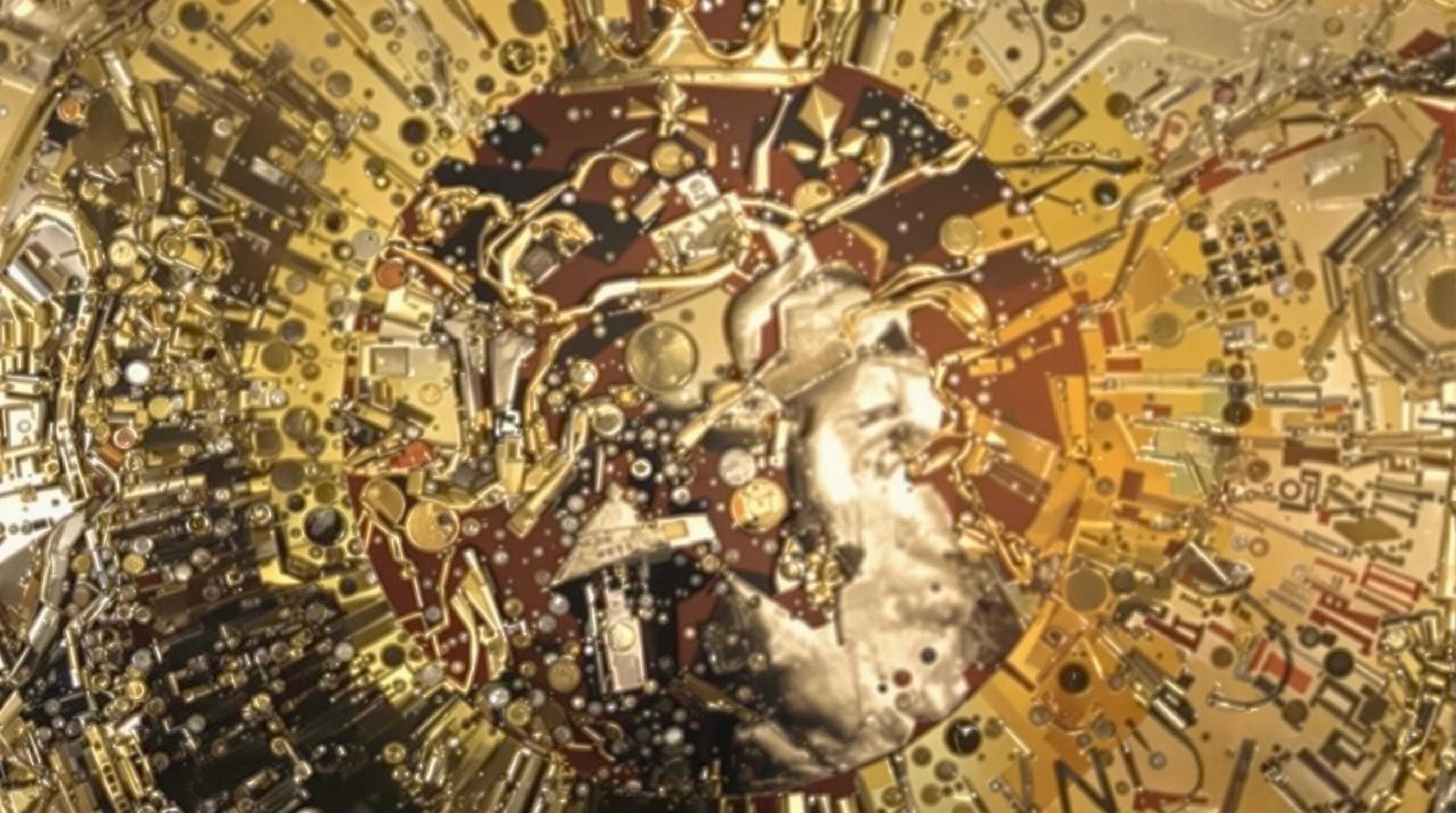
The Cryptic Legacy of Collector Coins: Unearthing the Stories Behind Today’s Monetary Artifacts
The Cryptic Legacy of Collector Coins: Unearthing the Stories Behind Today’s Monetary Artifacts
Collector coins hold hidden histories behind their gleaming surfaces, offering insights into societies, economies, and cultures through time. As we embark on this journey of discovery, we’ll unearth the narratives that shape today’s monetary artifacts and the passionate community that treasures them.
The Allure of Coin Collecting
Coin collecting isn't just a hobby; it's often described as “the hobby of kings.” In fact, worldwide, collectors spend billions each year on coins, with one study estimating the global market size at around $10 billion as of 2020 (Statista). In a world increasingly dominated by digital currency, the tactile and historical nature of coins presents a unique appeal.
A Brief History of Coinage
The first coins can be traced back to Lydia in the 7th century BCE, crafted from electrum, a naturally occurring alloy of gold and silver. The introduction of coinage revolutionized trade and economic systems, transitioning society from barter to currency. The design of these early coins often reflected the cultural and political climates of their time, making them both monetary tools and historical documents.
Digging Deeper: Stories Behind the Coins
Each collector coin tells a story, from its minting to the hands that have held it. Take, for example, the famous 1933 Saint-Gaudens Double Eagle. Initially, only 445,500 coins were produced, but amidst the Great Depression, President Franklin D. Roosevelt halted gold coinage, leading to nearly all coins being melted. Today, one of these coins sold for a staggering $7.6 million at auction, highlighting its financial and historical significance (Sotheby’s).
Common Types of Collector Coins
Among the various types of collector coins, one can find:
- Historical Coins: Coins like the Roman denarius provide insight into ancient economies.
- Silver and Gold Bullion Coins: These coins are valued for their metal content, often fluctuating with market prices.
- Commemorative Coins: Issued to honor significant events or figures, such as the United States bicentennial coins.
The Economics of Collectible Coins
The coin market reflects broader economic trends and can serve as an investment vehicle. For instance, during the 2008 financial crisis, many investors turned to precious metals, leading to a surge in demand for collector coins. According to a report by the Professional Numismatists Guild, during that recession, the value of collectible coins increased by over 25%. Coin collecting, therefore, not only serves as a passion project but can also be a financial safe haven.
Embracing Diversity in Collecting
Coin collecting is as diverse as the coins themselves. Enthusiasts often specialize in particular categories, such as foreign coins, paper currency, or even error coins, which are produced with defects. This diversity not only enriches the hobby but also fosters community among collectors. Informal gatherings such as coin shows or online forums help build friendships based on shared interests, creating a vibrant ecosystem of enthusiasts.
The Rise of Digital Collecting
In recent years, the emergence of technology has ushered coin collecting into the digital age. Platforms such as eBay and Heritage Auctions allow collectors to buy and sell coins globally, while apps provide real-time market data. Even the world of NFTs is creeping into the collectible scene, creating digital renditions of historical coins that can be traded as unique assets.
The Collector's Journey: A Personal Anecdote
Allow me to share a personal story. I’m 26, and my journey into the world of coin collecting began when my grandfather gifted me a coin he had found during his travels. It was a 1964 Kennedy Half Dollar, and the moment I held it, I could feel the weight of history. That coin became my gateway into a world filled with fascinating stories and treasure-hunting excitement, allowing me to connect with my grandfather’s past while shaping my own future hobby.
Preservation and Care of Collector Coins
Coins are fragile artifacts that need proper care and handling. Collectors should avoid touching the surface of coins with bare hands, as oils and dirt can cause long-term damage. Instead, use cotton gloves and keep coins in protective holders. Furthermore, it’s advisable to store coins in a climate-controlled environment, as humidity and extreme temperatures can lead to corrosion.
Why Collectors Value Coins
The value of a collector coin can be attributed to several factors: rarity, condition, historical significance, and demand. A coin that is one of just a few surviving examples can command a much higher price than mass-produced counterparts, regardless of denomination. This principle is vividly illustrated in the case of the 1804 silver dollar, often dubbed "The King of American Coins," which has sold for over $4 million due to its extreme rarity and historical intrigue (Numismatic News).
Connecting Generations Through Collecting
One of the most beautiful aspects of coin collecting is its ability to connect generations. Grandparents, parents, and children can bond over shared collections, exchanging stories and knowledge. It provides a platform for education about history, economics, and the sheer artistry of coin designs that often goes unnoticed in today's fast-paced world.
The Thrill of the Hunt
For many collectors, the greatest joy comes from the hunt itself: searching for that missing piece to complete a collection, stumbling upon a hidden gem at a flea market, or bidding on a long-desired coin at an auction. The thrill of the find can be compared to treasure hunting, invigorating the spirit and driving a passionate pursuit of historical artifacts.
Coin Collecting in Popular Culture
Coin collecting has even found its way into popular culture! Movies like “National Treasure” have painted a romanticized picture of collectors unearthing historical secrets hidden in coins and artifacts. The fascination with rare coins speaks to a human desire to preserve and understand the past, which transcends generations.
Ethics in Coin Collecting
As with any hobby, ethical considerations are crucial in the world of coin collecting. It’s vital to approach acquiring coins responsibly, ensuring provenance and legality in transactions. The American Numismatic Association urges collectors to support reputable dealers and participate in ethical collecting practices to maintain the integrity of the hobby.
The Future of Coin Collecting
What does the future hold for coin collecting? As digital currencies continue to grow, many speculate that physical coins may decline in popularity. However, history has shown us that true collectors have a deep-rooted affinity for physical artifacts. While digital assets may gain momentum, there will always be a demand for tangible pieces of history.
The Community Spirit
Despite its challenges, the coin-collecting community continues to thrive. Organizations like the American Numismatic Association play an essential role in fostering connections and offering resources. Forums and social media groups have democratized access to knowledge, allowing anyone to join the conversation and share their passion for coins.
Conclusion: A Legacy Worth Collecting
In conclusion, the world of collector coins is a treasure trove of history, culture, and connecting threads that link past generations to the present. As we unearth the stories behind each coin, we also recognize the people and experiences that have shaped our understanding of currency and value. Whether you’re a seasoned collector or just starting out, the journey into this fascinating realm promises not only financial returns but an enriching experience that transcends time.
Read More