Related Articles
- Reviving Ancestral Wisdom: How Outdated Superstitions Can Shape Contemporary Mental Health Practices
- Veiled Histories: How Little-Known Figures from the Past Can Transform Contemporary Leadership Approaches
- The Art of Disruption: How Past Rebellions Shape Today's Entrepreneurial Spirit
- Lost in Translation: The Surprising Role of Language in the Evolution and Misunderstanding of Global Currency
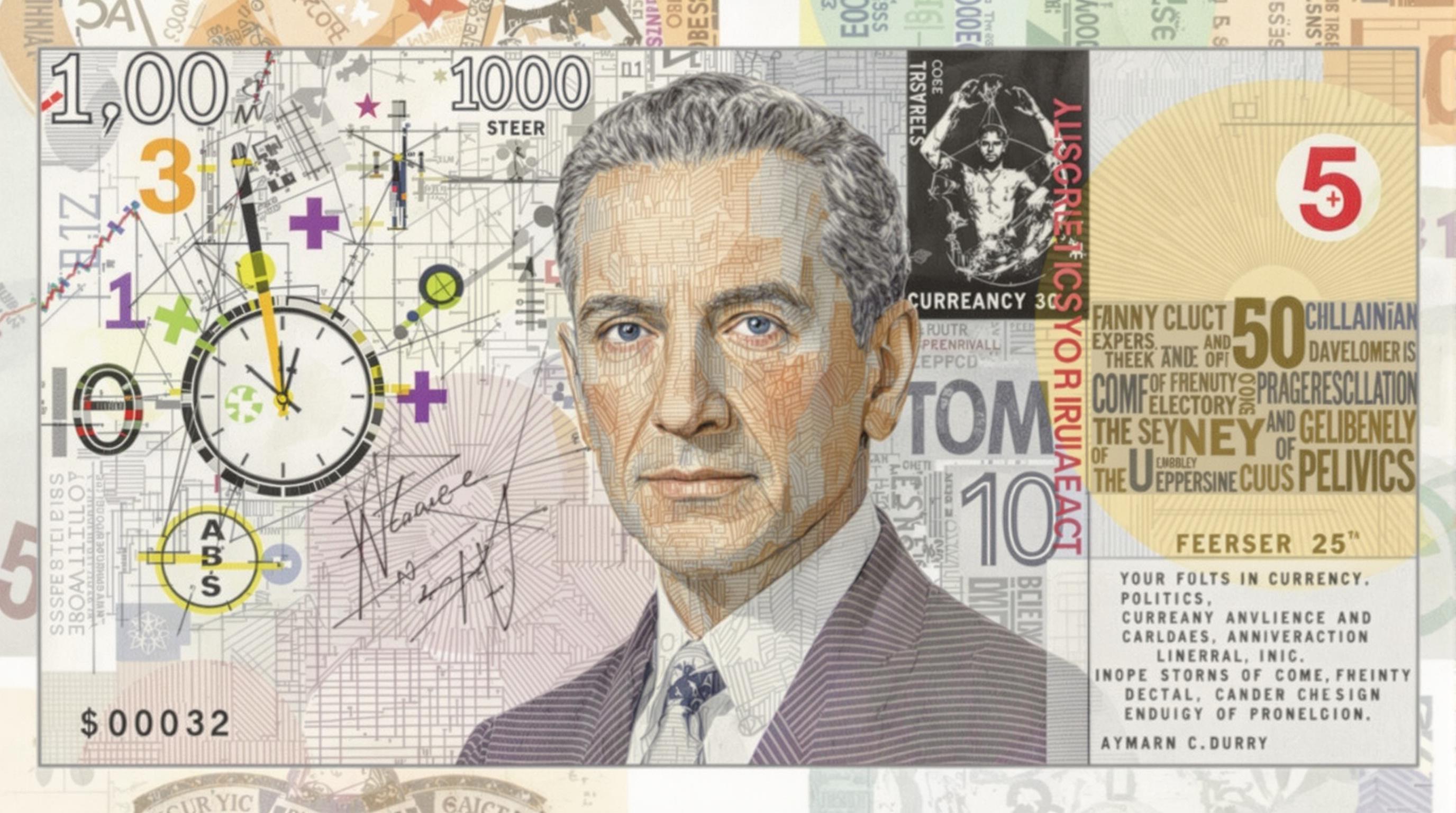
- Currency as a Canvas: Exploring the Intersection of Politics, Propaganda, and Artistic Expression in Monetary Design
- Unmasking the Shadows: How Currency Forgers Shaped Financial Trust and Safety Through the Ages
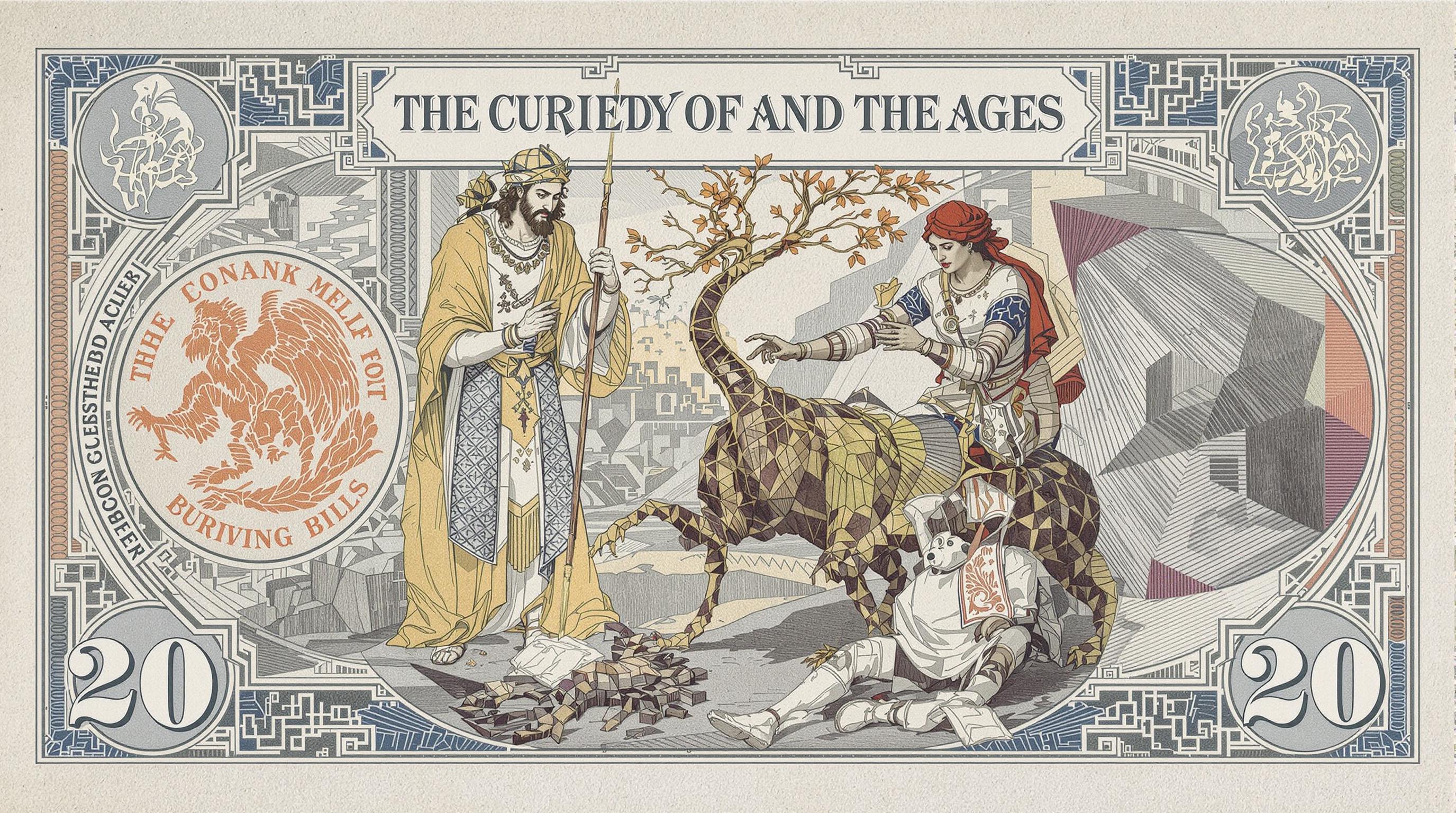
The Curious Connection Between Currency Design and Cultural Shifts: Art, Identity, and Money Through the Ages
The Curious Connection Between Currency Design and Cultural Shifts: Art, Identity, and Money Through the Ages
The design of currency is not merely a matter of economics; it is a reflection of cultural values, societal shifts, and artistic evolution throughout history. This article explores the intricate relationship between currency design and cultural identity, revealing how money has been shaped by and has shaped our understanding of art and society.
All About the Aesthetics of Currency
Let's face it: currency is often just a means to an end, but those paper bills and shiny coins can offer a fascinating glimpse into a society's psyche. From the intricate depictions of historical figures to modern designs celebrating equality and diversity, the aesthetics of currency whisper stories of artistic evolution and societal priorities.
The Artistic Transformation of Currency
During the Renaissance, currency design flourished as artists began to apply sophisticated techniques and materials. The Venetian ducat and the Florentine florin were not just coins; they were works of art that reflected the pride and wealth of a nation. The famed ducat featured intricate engravings and religious imagery, signifying the value of both trade and faith in society at that time.
Fast forward to the 20th century, and we see a notable shift in how currency represents identity. In the U.S., designs began to include civil rights leaders, such as Harriet Tubman on the $20 note, showcasing a conscious effort to align money with modern social movements and diversity. This shift illustrates not only a change in decorative taste but also a cultural acknowledgment of collective identity.
The Numerical Shift: Statistics in Currency Design
Statistics tell a compelling story about how currency designs mirror cultural shifts. For instance, a survey by the American Institute of Graphic Arts found that 65% of Americans believe redesigning currency to better represent the diversity of the population is important. This statistic suggests that people do not just see currency as paper but as an identifier of shared values and beliefs.
A Look Back in Time: Currency and Cultural Evolution
To truly grasp how currency design reflects sociocultural changes, we must delve into its historical transformation. The ancient Egyptians used coins adorned with the likeness of rulers, symbolizing the connection between the divine right of kings and financial transaction. This was a time when money was not just economic but also political power dynamically sewn together with the identity of the people.
Currencies have also historically evolved from commodities, such as seashells and salt (the word "salary" comes from "salt"), to complex systems of paper and digital currencies. These changes signal shifts in societal norms and technological advances, each iteration leaving its artistic fingerprint.
Case Study: The Euro and European Identity
The introduction of the Euro in 2002 serves as a poignant example of currency design reflecting a collective cultural identity. The design of its banknotes intentionally lacks any national figures, focusing instead on architectural styles across European history, which symbolizes unity in diversity. By doing so, the Euro has become a canvas for representing a multifaceted European identity, constructed on shared history rather than any singular nation.
The Impact of Digital Currency on Artistic Expression
With the rise of cryptocurrency, the definition of currency and its design language is once again evolving. Bitcoin and its kin have sparked a trend where digital artwork or NFTs (non-fungible tokens) are often associated with value. This movement represents not just a financial opportunity but also a new form of artistic identity where value is ascribed through digital representation.
This new marketplace is compellingly unique: it flips the script on traditional currency's tactile nature and transforms it into an ethereal medium where art itself can become currency while also reflecting the modern psyche, driven by technology and digital identity. In a way, this mirrors the changes seen in other forms of currency throughout history but does it within a context shaped by current societal trends.
Humorous Perspective: Money Talks! Literally?
Ever tried to have a conversation with your wallet? "Oh, hello, Benjamin Franklin, so nice to see you again!" Perhaps it sounds silly, but the characters that grace our currencies often become silent ambassadors of our cultural values. Benjamin Franklin’s wise face on the $100 bill might as well be a grumpy old man saying, “Back in my day, we valued hard work over the latest iPhone”—an amusing thought that brings together how generations perceive value differently.
We could argue that those who’ve had their faces on currency are the real “money” makers in their communities. After all, would George Washington have ever thought he’d become the go-to guy for a slice of that pizza, just because you pulled out a dollar bill featuring his face? It’s almost like a comedic twist to historical significance wrapped in a crinkled dollar!
Identity and Currency: Destined to Intertwine
In various cultures, identity is inextricably linked to currency design. For example, in many African countries, traditional designs incorporating local symbols are used to reflect the distinct identity of the nations. The South African rand, for instance, features robust imagery of indigenous animals and cultural patterns that create a narrative of national pride.
This connection between currency and cultural identity illustrates how deeply money can resonate with who we are. When people use a currency that represents them, they not only engage in economic transactions but also partake in reinforcing their cultural narratives. Thus, currency becomes not just a vessel for practical transactions but a canvas for shared identity, history, and values.
Modern Perspectives: Currency as Canvas
Artists today often see banknotes as bespoke canvases. Many contemporary artists challenge traditional norms by creating alternative forms of currency, some even replacing legitimate money with their artistic expressions. Then there are initiatives like the “Art Money” project, which allows people to purchase art through a currency model that supports a more direct connection between art and economy.
One could even muse that as the pendulum swings between traditional and modern art, our currency reflects not only the changing aesthetics but also the evolving values of society—an economic indicator disguised in vibrant colors and intricate designs.
The Fight for Representation: A Cultural Response
As society evolves, so does the call for representation in currency. Movements advocating for the inclusion of gender and racial diversity in currency design are gaining traction around the world. In 2020, a petition to feature more women on U.S. currency received over 36,000 signatures, signaling a widespread yearning for equitable representation in our monetary symbols.
This fight for representation is compelling. Each new design introduced has the potential to elevate voices that have been historically marginalized, creating a richer cultural narrative through the most everyday of mediums—our money. Changes in currency can act as powerful indicators of cultural shifts, offering a voice to those who have long been silenced.
The Future of Currency Design: Sustainability Meets Art
As we look to the future, the realm of currency design is poised for transformation again, this time with a focus on sustainability. With an increasing demand for eco-friendly solutions, the majority of countries are exploring digital currencies, using materials in production that minimize environmental impact. Whether it’s recreational or revolutionary, the next wave of currency design embodies the cultural value of sustainability.
Designers now have the exciting opportunity to infuse sustainability into the artistic process, creating a dialogue between commerce and environmental responsibility. In an age where ecological awareness is driving change, this movement demonstrates how intertwined the notions of art, identity, and money can become.
In Conclusion: Currency as a Reflection of Society
Ultimately, currency design serves as a canvas that reflects cultural phenomena, artistic movement, and societal evolution. As we've explored, the images, symbols, and materials used in currency not only represent value in economic terms but also resonate with identity and collective history. The curious connection between currency design and cultural shifts transcends mere financial transaction; it signifies a rich tapestry woven from threads of art, identity, and the ever-evolving story of money through the ages.
As we ponder our future currency, it's essential to embrace how our values and identities are depicted in design. In a world where cash may move towards obscurity, the legacy of currency as an art form that tells our stories will remain vital in our journey through time.
Read More