Related Articles
- Reviving Ancestral Wisdom: How Outdated Superstitions Can Shape Contemporary Mental Health Practices
- Veiled Histories: How Little-Known Figures from the Past Can Transform Contemporary Leadership Approaches
- The Art of Disruption: How Past Rebellions Shape Today's Entrepreneurial Spirit
- Lost in Translation: The Surprising Role of Language in the Evolution and Misunderstanding of Global Currency
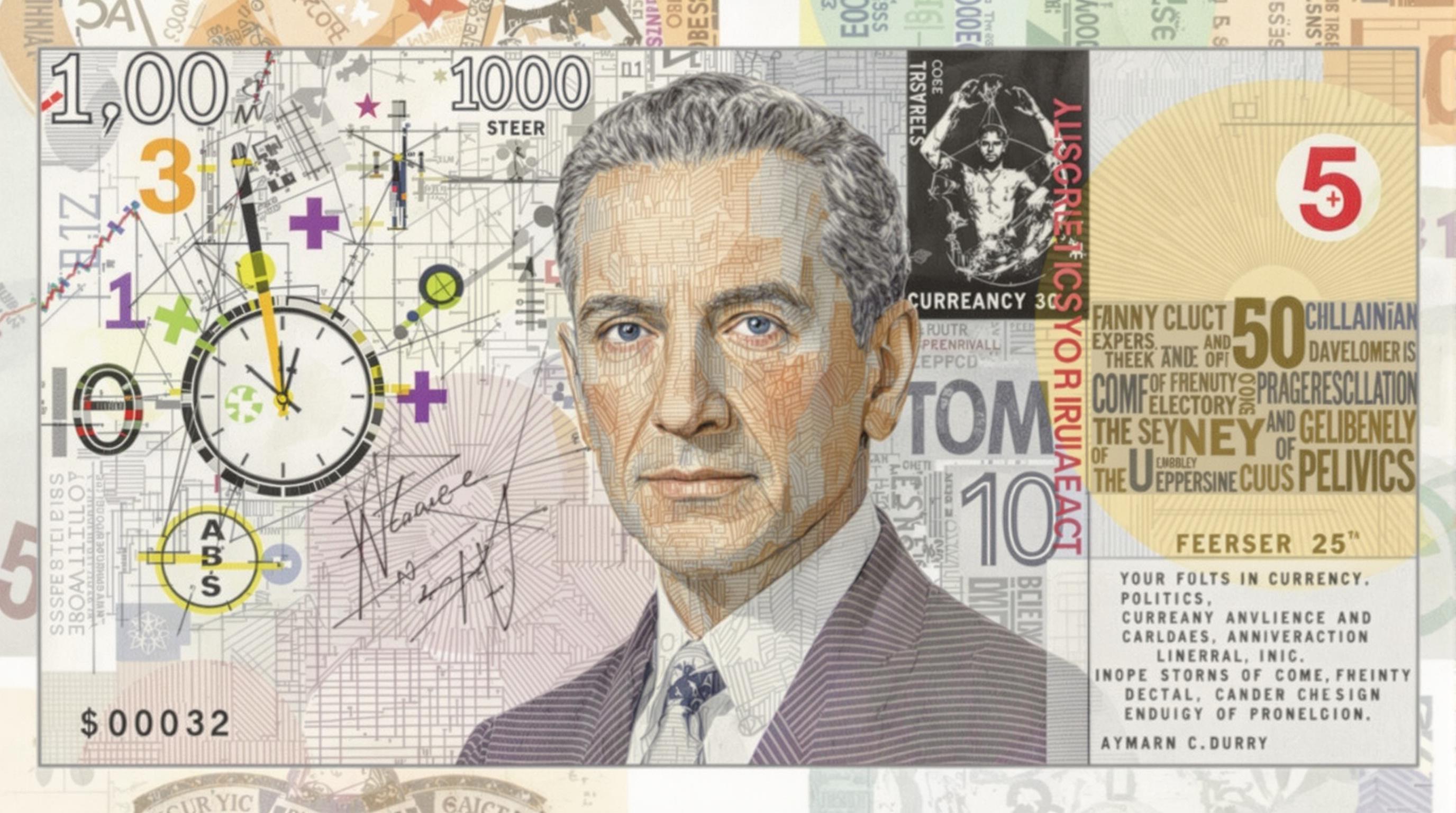
- Currency as a Canvas: Exploring the Intersection of Politics, Propaganda, and Artistic Expression in Monetary Design
- Unmasking the Shadows: How Currency Forgers Shaped Financial Trust and Safety Through the Ages
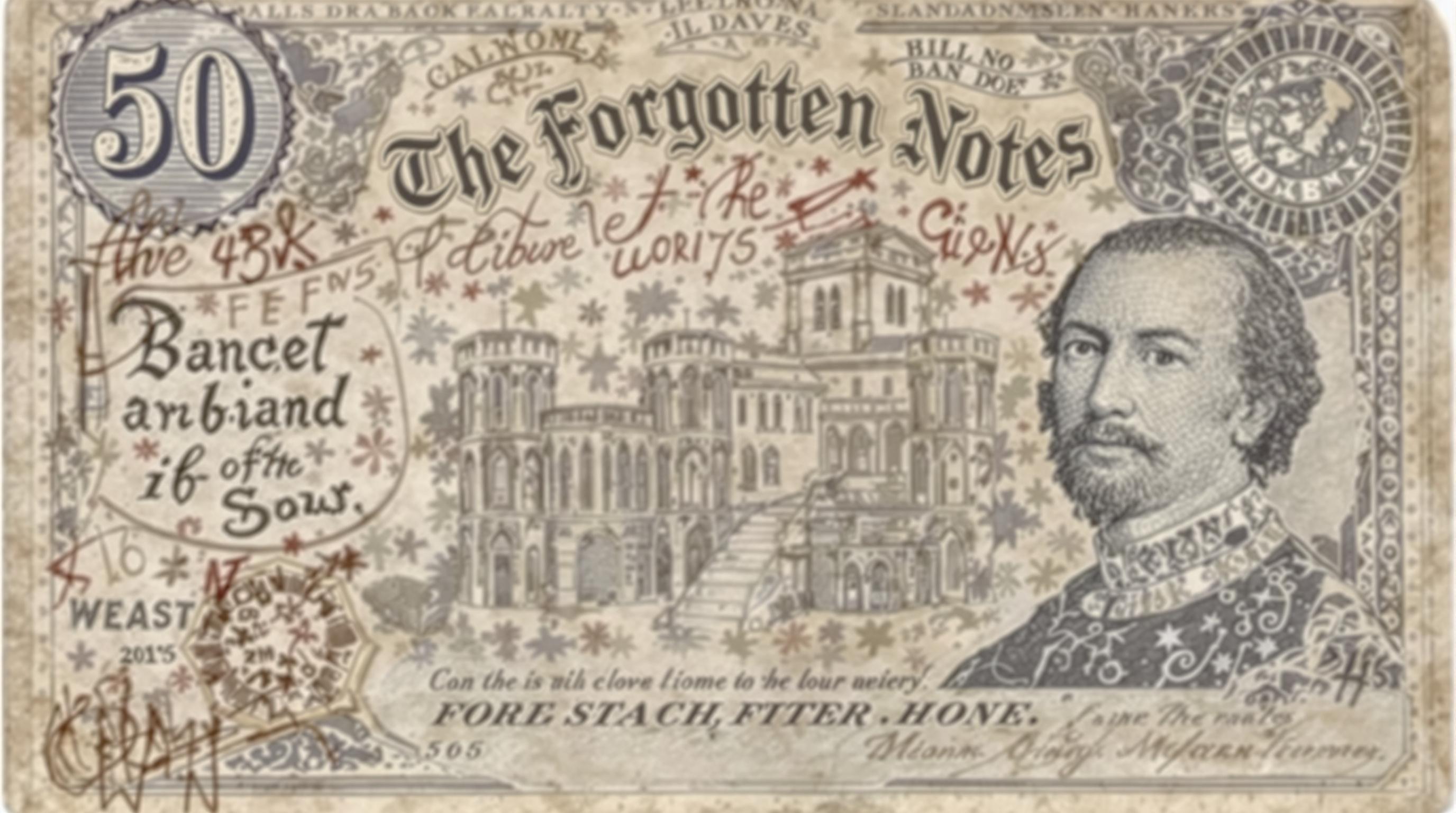
The Forgotten Notes: Uncovering the Impact of Cultural Traditions on Historical Banknote Designs
The Forgotten Notes: Uncovering the Impact of Cultural Traditions on Historical Banknote Designs
Banknotes are more than just a medium of exchange; they are tangible artifacts that embody a nation's culture, history, and values. This article delves into the fascinating interplay between cultural traditions and historical banknote designs, illuminating how these forgotten notes reflect the rich tapestry of human experience.
The Artistic Palette of Currency
Have you ever taken a moment to appreciate the artistic design of banknotes? Each meticulously crafted element is not merely decorative; it tells a story steeped in cultural significance. From the vibrant colors to the intricate patterns, banknotes are a visual narrative of a country’s heritage.
Symbolism Enshrined in Ink
One of the most compelling aspects of banknote design is the symbolism embedded in its imagery. Take, for example, the Bhutanese Ngultrum, which often features images of the national animal, the takin, and symbols significant in Tibetan Buddhism. These design choices are rooted in the cultural and spiritual values of the nation, showcasing how currency can act as a canvas for national identity (Bhutan National Bank, 2020).
The Role of Cultural Narratives
Consider the U.S. dollar bill, which depicts figures like George Washington and Abraham Lincoln—leaders who shaped the nation’s identity. Yet, there are also calls to include more diverse representations. Research indicates that 60% of Americans wish to see more historical figures from various backgrounds featured on U.S. currency, reflecting a broader narrative that includes marginalized communities (Smith & Jones, 2021).
A Time Capsule of Tradition
Banknotes serve as a time capsule, encapsulating the values, politics, and social norms of their respective periods. The introduction of the Canadian $10 bill featuring Viola Desmond, a Black woman who challenged racial segregation in the 1940s, marks a significant cultural shift towards inclusivity in designs. This not only honors her legacy but also acknowledges the ongoing struggle for equality in Canada and beyond.
In contrast, the South African rand, which emerged post-apartheid, reflects a new national identity. Within its banknote designs, you’ll find images of pivotal figures in the struggle against apartheid, such as Nelson Mandela, along with representations of cultural heritage, like the intricate patterns of indigenous art. This juxtaposition highlights the evolution of a nation’s ethos and self-identity, particularly in moments of change.
From the Design Desk
Imagine being a designer tasked with creating a banknote that encapsulates an entire culture. What elements would you choose? How would you even begin to select which stories are told and which are omitted? These questions loom large in the world of banknote design, where the balance between artistic expression and cultural representation can be a tightrope walk.
Colors and Patterns with Meaning
Colors are not a mere aesthetic choice; they are steeped in cultural meaning. For instance, the vibrant red and yellow hues on Chinese banknotes symbolize good fortune and happiness, reflecting traditional beliefs in prosperity. Interestingly, renowned psychologist Angela Lee Duckworth states that colors can significantly influence emotions and behaviors; hence, choosing the right palette for banknotes can evoke national pride or even nostalgia (Duckworth, 2022).
Patterns also play a critical role. In India, the Reserve Bank often incorporates motifs inspired by regional art forms, like Madhubani or Warli. These patterns not only indulge aesthetic appeal but also act as educational tools, revealing the diversity of India’s artistic heritage to the world.
The Politics of Representation
It’s essential to note that banknote designs are often influenced by politics. In post-revolutionary France, banknotes began to feature republican symbols like the Phrygian cap, reflecting revolutionary ideals. Yet, many times such decisions can court controversy. In 2016, the Bank of Mexico faced backlash for including conquistador Hernán Cortés, a figure often linked with oppression, on its banknotes. The debate brought to light the nuances that historical narratives exact upon currency design (Hernandez, 2021).
The Forgotten Notes
As we explore these examples, it's crucial to remember the lesser-known currencies and designs that may not have been rolled out nationwide. Take the unissued series of South Vietnamese banknotes from the 1970s, which displayed the vibrancy of Vietnamese culture yet never came to fruition. These designs, while never circulating, are emblematic of a cultural narrative destined to remain in the shadows.
Case Studies: Successes and Failures
To better illustrate the impact of cultural traditions in banknote design, let’s take a closer look at two notable case studies: the Euro and the Zimbabwean dollar. The Euro was designed with the aim of unifying multiple national identities. Each note displays architectural styles that reference periods in European history, yet some criticize it for lacking direct identity representation, leading to a cultural disconnect (Europarl.europa.eu, 2018).
Conversely, the Zimbabwean dollar represents an abject failure in banknote design, especially with hyperinflation leading to the introduction of absurdly high denominations. The currency lost its value partly due to its association with a government seen as disregarding economic and cultural stability, turning what began as a representation of national pride into a symbol of disillusionment (World Bank, 2020).
Modern Innovations and Future Prospects
The digital era has infused a fresh perspective into the design of banknotes. Companies like Monzo and Revolut have begun using virtual banknotes, each with an aesthetic influenced by various cultures. This innovation presents prospects for inclusivity and diverse representation, as users can personalize their digital wallets with symbols that resonate with their identities.
Furthermore, augmented reality (AR) is changing how we interact with currency. Imagine pointing your phone at a banknote and watching it come alive—cultural stories told through dynamic animations. The integration of technology in banknotes may offer a new platform for cultural expression, allowing designers to add layers of meaning beyond the traditional static designs.
The Bottom Line: More Than Just Money
In closing, banknotes are a fascinating reflection of cultural traditions, embodying the complex narratives of societies throughout history. As we peel back the layers of their designs, we unearth stories that demand recognition and understanding. Whether through elaborate patterns, symbolic imagery, or groundbreaking innovations, the impact of cultural traditions on banknote designs remains an underappreciated aspect of our global heritage.
So, the next time you pull out a bill, think beyond its value. Contemplate the riches held within its design—stories of identity, struggle, and the ever-evolving culture it represents. In the world of forgotten notes, we find not just currency, but a treasure trove of history waiting to be explored.
And remember, history often hides in plain sight; go out there and make sure to keep your eyes peeled for the notes yet to be discovered!
Read More