Related Articles
- Reviving Ancestral Wisdom: How Outdated Superstitions Can Shape Contemporary Mental Health Practices
- Veiled Histories: How Little-Known Figures from the Past Can Transform Contemporary Leadership Approaches
- The Art of Disruption: How Past Rebellions Shape Today's Entrepreneurial Spirit
- Lost in Translation: The Surprising Role of Language in the Evolution and Misunderstanding of Global Currency
- Currency as a Canvas: Exploring the Intersection of Politics, Propaganda, and Artistic Expression in Monetary Design
- Unmasking the Shadows: How Currency Forgers Shaped Financial Trust and Safety Through the Ages
The Role of Obsolete Coins in Modern Currency: Unearthing Forgotten Wealth
The Role of Obsolete Coins in Modern Currency: Unearthing Forgotten Wealth
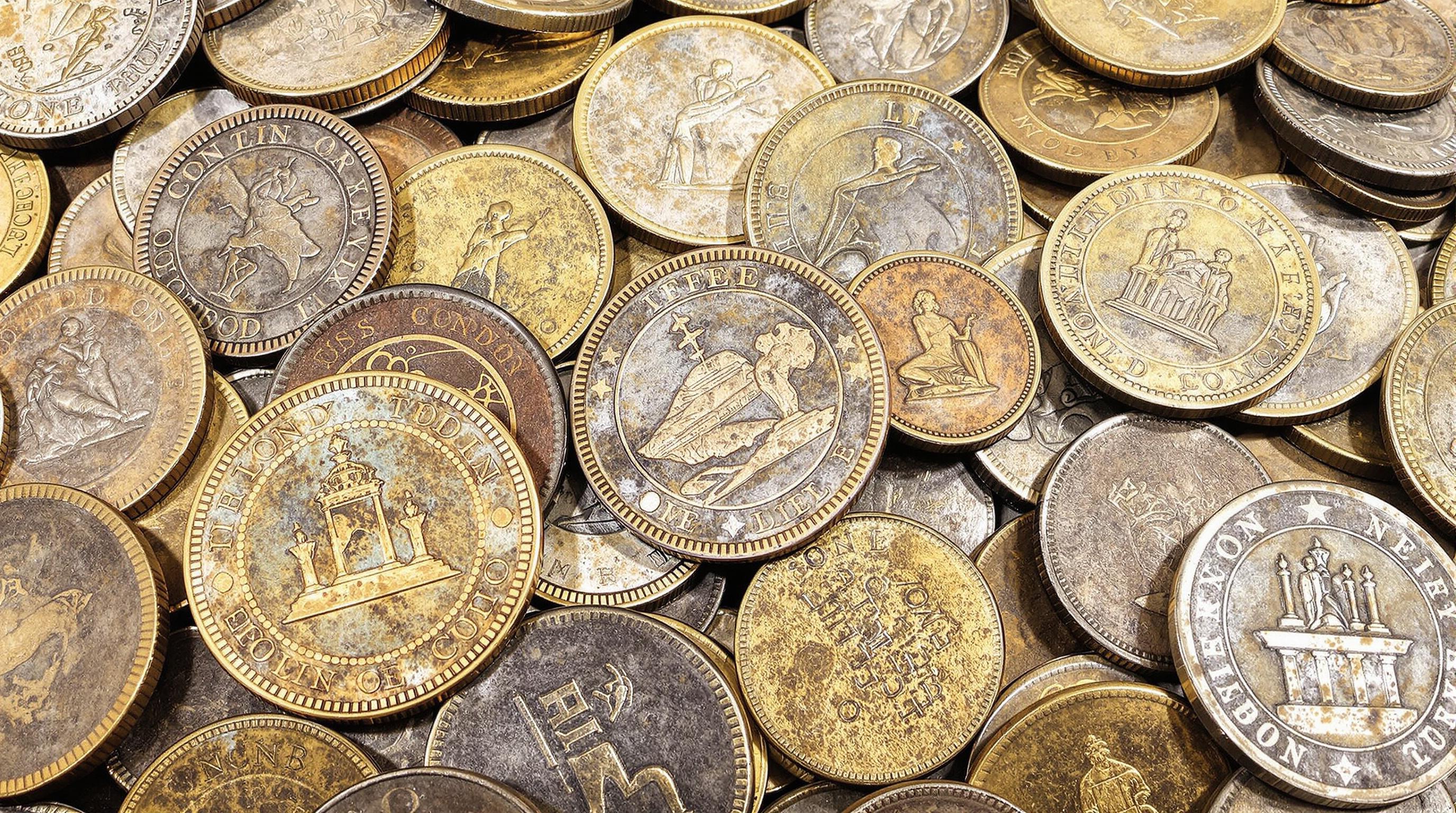
Coins once deemed obsolete can serve as both historical treasures and potential wealth in today's currency landscape. As economies evolve and currencies transition, the forgotten coins of yesteryear present a unique opportunity for enthusiasts and collectors alike.
Unlocking the Vault of History
Every coin tells a story—this isn't just a metaphor. Each piece of currency minted bears witness to the era in which it was created, encapsulating the social, political, and economic contexts of its time. For example, consider the infamous Spanish silver dollar, or "pieces of eight," which once dominated global trade. Today, collectors pay upwards of $750 for an uncirculated specimen from the 17th century.
A Journey Through Time
Imagine venturing into a dusty attic—your grandfather's old coin collection lies forgotten in a box. You sift through coins that spark memories: the thin, worn coins from your childhood, the odd monetary relics from vacations gone by. Some may recognize the odd tokens from local amusement parks; others might find foreign currency from trips abroad. Each coin can potentially hold more value than its face value, leading simply to a treasure hunt through time.
Economic Sentiments: Coins in the Digital Age
As modern economies shift toward digital currency and cashless transactions, one might think of coins as relics of the past. However, the reality is that the fascination with and value of coins have evolved, affecting their role in modern commerce. A survey from the Pew Research Center indicates that 88% of American adults still use coins at least occasionally. This signals that while digital currency rises, our love for tangible history continues.
Case Study: The American Half Dollar
Let's take a closer look at the American half dollar. Originally minted in 1794, it often features historically significant figures, such as John F. Kennedy or Benjamin Franklin. Fascinatingly, the Kennedy half dollar, issued in 1964, became a collector's item following the assassination of President Kennedy, with some selling for over $60 on the open market. This exemplifies how societal events can rekindle interest in certain coins, transforming them from mere currency to coveted artifacts.
Cultural Significance and Collectibility
Serious collectors often delve into numismatics—the study and collection of currency. The American Numismatic Association (ANA) highlights that coin collecting is open to anyone, irrespective of age or financial means, making it an accessible hobby. For many, the thrill lies not just in the potential monetary value of coins but also in their cultural significance. For instance, ancient Roman coins featuring emperors or gods can sell for hundreds of thousands at auctions, enticing scholars and hobbyists alike.
The Search for Value
You might wonder: How do you determine if a coin from your grandfather's attic possesses any actual value? Consult a professional numismatist or conduct thorough research on reputable platforms. Factors such as rarity, historical significance, age, and condition deeply influence a coin’s worth. For example, a 1909-S V.D.B. Lincoln penny can fetch prices upwards of $2 million, according to the Professional Coin Grading Service. Yes, million-dollar pennies do exist!
An Unexpected Twist: Obsolete Currencies
Beyond coins that have simply fallen out of use, certain currencies have been rendered completely obsolete due to economic changes. The German Mark, for example, was replaced by the Euro in 2002. Many people don’t realize they could be holding onto substantial wealth if they possess vintage currency or certain denominations with historical significance. Some collectors specifically focus on these obsolete currencies, driven by the thrill of the unknown.
Shifting Sentiments
Moments in history often dictate the popularity and value of certain coins. For example, in Iran during the 1970s, a silver coin nicknamed the "Pahlavi" captivated collectors. Following the Islamic Revolution in 1979, interest in these coins surged, with their value skyrocketing from a mere face value to that of collector's gold in some cases, showcasing how political climates can alter perceptions of currency.
The Role of Community and Online Marketplaces
In the age of social media, communities passionate about coins and currency have become more accessible. Platforms like Facebook have groups specifically dedicated to coin collectors, offering advice, trade, and discussions from enthusiasts worldwide. eBay and other online marketplaces have surged in popularity, providing individuals an opportunity to buy and sell coins that may otherwise be idly melting away in a drawer. This trend has led to a renewed enthusiasm for collecting obsolete coins due to the possibility of discovering hidden gems.
Humor in Collecting
Now let's consider the lighter side: what if you find an old coin that turns out to be just a piece of junk? At that point, you may start believing in the coin fairy, who must have mixed up your valuables with relics from your last garage sale! Stepping up to friends at a barbecue—“Hey, check out this rare ancient coin I found!” only to reveal your rusty token from the local arcade could lead to many laughs. That's the fun of collecting; often, it's more about the journey than the destination.
From Obscurity to Popularity
Some coins that were once written off have re-emerged in the spotlight. For example, the Tugrik, Mongolia's currency, experienced a surge in interest after they introduced more colorful designs and modern security features. This change has revitalized literacy and pride in currency among citizens, directly correlating with national interest in collecting specialty coins and bills.
Final Thoughts on Obsolete Coins
As we dig deeper into the realm of obsolete coins, we unearth not merely potential monetary value but rich histories waiting to be discovered. The past informs the future, particularly in an age where we constantly reinvent currency through technology. Who knows? Nestled amongst coins from your grandparent's collection might lie a sliver of forgotten wealth, just waiting for its moment to shine in the digital economy.
The next time you're about to toss a handful of change into a jar, take a moment to examine each coin. You just might stumble across the key to unlocking a fascinating piece of history—and, who knows?—a little financial fortune too!
Read More