
Related Articles
- Reviving Ancestral Wisdom: How Outdated Superstitions Can Shape Contemporary Mental Health Practices
- Veiled Histories: How Little-Known Figures from the Past Can Transform Contemporary Leadership Approaches
- The Art of Disruption: How Past Rebellions Shape Today's Entrepreneurial Spirit
- Lost in Translation: The Surprising Role of Language in the Evolution and Misunderstanding of Global Currency
- Currency as a Canvas: Exploring the Intersection of Politics, Propaganda, and Artistic Expression in Monetary Design
- Unmasking the Shadows: How Currency Forgers Shaped Financial Trust and Safety Through the Ages
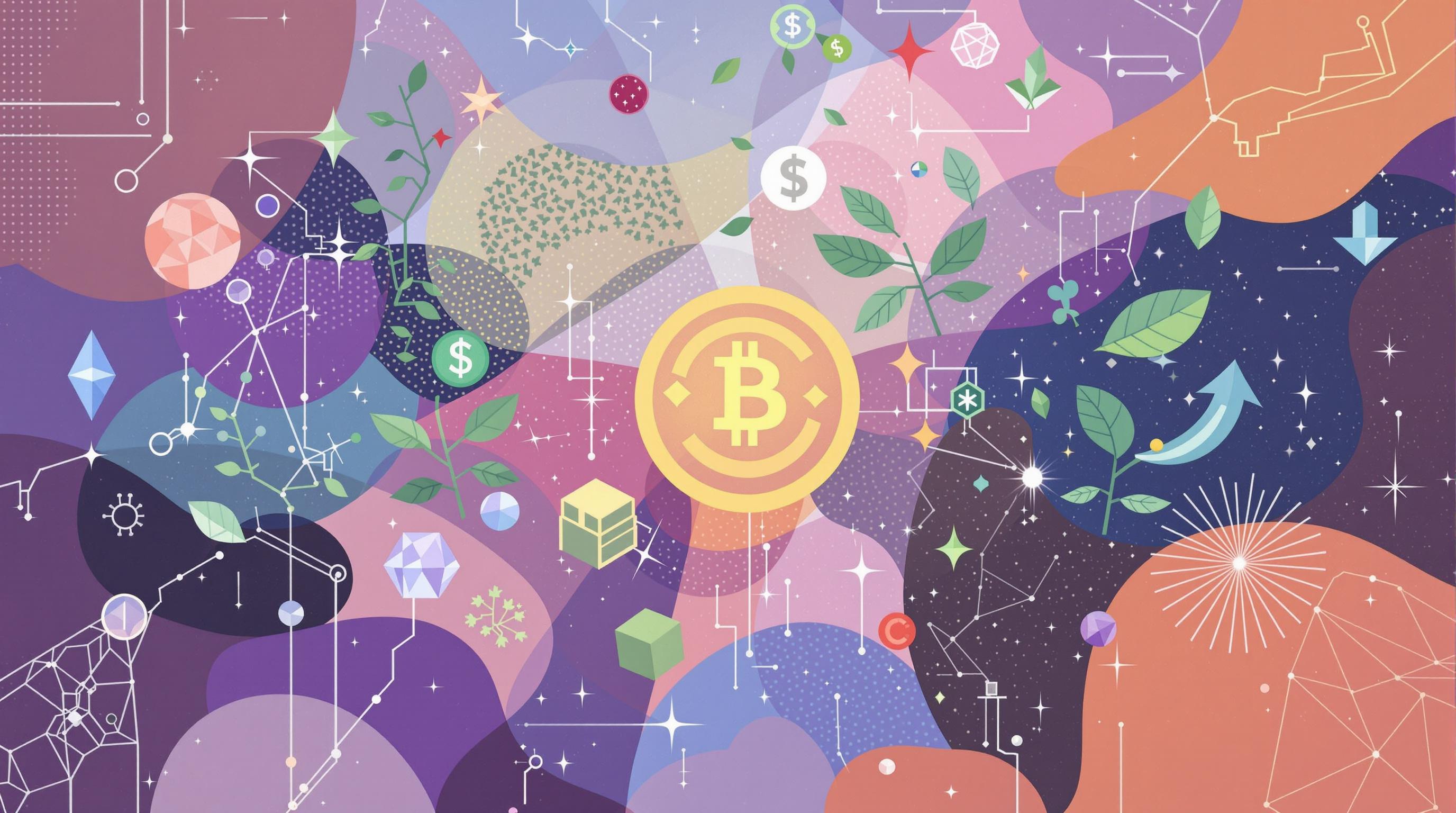
From Blockchains to Biocurrencies: Unraveling the New Frontier in Fiscal Strategies for a Sustainable Tomorrow
From Blockchains to Biocurrencies: Unraveling the New Frontier in Fiscal Strategies for a Sustainable Tomorrow
As the world seeks sustainable solutions to pressing economic and environmental challenges, a radical transformation is underway in how we perceive currency and value. This article explores the journey from blockchains to biocurrencies, showcasing innovative fiscal strategies for a sustainable tomorrow.
The Rise of Blockchain Technology
To understand the potential of biocurrencies, one must first grasp the significance of blockchain technology. Originating as the backbone of cryptocurrencies like Bitcoin, blockchain is a decentralized ledger that ensures transparency, security, and immutability of transactions.
In 2022, the global blockchain technology market was valued at approximately $7.18 billion and is projected to grow to $163.24 billion by 2029 (Fortune Business Insights). That’s a staggering growth rate of over 56% annually! What this means is that we’re on the cusp of a digital revolution; one that’s not just about financial gain, but about reshaping our societal frameworks and ecological footprint.
From Currency to Biocurrencies
Now, let’s dive into the concept of biocurrencies. Biocurrencies are digital currencies designed with sustainability in mind. They are built on the premise that they could be backed by natural resources, environmental assets, or social benefits, stimulating an economy that values ecological health and social justice.
For instance, projects like “TreeCoin” are developing currencies tied to reforestation efforts. In a nutshell, each TreeCoin acquired contributes to planting a tree. It’s a modern twist on the saying, "one man's trash is another man's treasure," where nature isn't just a backdrop but an active participant in our economic systems.
Case Studies: Bang for Our Buck
As we wander further into this exciting territory, let’s explore some trailblazing initiatives. In 2020, a group of cryptocurrency developers launched “SolarCoin,” which is a digital currency aimed at rewarding solar energy producers. When someone generates a certain amount of solar energy, they receive SolarCoins as a form of reward. Just imagine if we had more currencies like this encouraging renewable energy—how would our world transform?
Real-World Adoption and Benefits
In real-world applications, biocurrencies can offer astonishing benefits. They can provide funding for green programs, incentivize sustainable practices, and foster community-driven projects. According to a study by the World Economic Forum, implementing sustainable solutions can increase GDP by 2.8% by 2030. Imagine what that could mean for governments and businesses—an economy that thrives while taking care of the planet!
Understanding the Skepticism
However, not everyone is on board with this new wave. Critics argue that cryptocurrencies could exacerbate existing inequalities and environmental challenges, particularly due to the high energy consumption of some blockchain networks. A 2021 study calculated that Bitcoin mining consumes about 0.5% of the world's entire electricity, which brings into question whether we are merely swapping one problem for another.
It's like trying to swim upstream while dragging a boulder—just how much progress can we make while carrying the weight of outdated practices? The shift to biocurrencies must go hand-in-hand with energy-efficient technologies. After all, sustainability should permeate every aspect of these new fiscal strategies.
Bridging the Gap: Education and Outreach
Education plays a critical role in both acceptance and successful implementation of biocurrencies. The digital divide remains significant, and for biocurrencies to truly thrive, they must be accessible and understandable to all. Workshops, information campaigns, and community engagement can demystify these currencies and their purposes.
One exciting example comes from “Code for Good,” a nonprofit organization that trains young enthusiasts in urban areas to create decentralized applications (dApps) powered by blockchain. They emphasize not just coding skills but also cultivation of ecological consciousness—now that’s a fun twist on tech education!
The Role of Regulation
Governments worldwide are still figuring out how to regulate cryptocurrencies without stifling innovation. Balancing act? More like a high-wire performance! The regulations need to encourage growth while ensuring security and environmental standards are met. Just last month, the European Union announced new regulatory frameworks that prioritize sustainability in crypto operations.
The proposed regulations also advocate strong consumer protections, ensuring that individuals are well-informed before investing in these futuristic currencies. Like any good safety net, we don’t realize how important it is until we find ourselves on the edge, contemplating that leap into the unknown.
Crafting a Balanced Ecosystem
Achieving a balance requires collaboration between governments, private enterprises, and local communities. Picture this: a community where citizens earn rewards in biocurrencies for recycling, participating in local farming, or conserving energy. Everyone wins: the community flourishes, the planet benefits, and individuals take pride in their roles.
Changing Perceptions: A Rebranding of Value
As biocurrencies emerge, they encourage a fundamental shift in how we value resources, moving from the traditional "profit-at-all-costs" mentality to a more holistic approach. No longer is value solely monetary; societal and ecological impacts are equally important. This new perception could redefine our relationship with nature, fostering a sense of stewardship rather than exploitation.
Take the example of "carbon credits." In a market where companies can buy and sell these credits, organizations are incentivized to reduce their carbon output. But what if we took it a step further? Imagine a biocurrency that rewarded companies not only for purchasing credits but for creating new, innovative solutions to carbon emissions. The ripple effect could be monumental!
A Humorous Take on Biocurrencies
Let’s keep it real for a moment: As we explore the intricacies of biocurrencies, one cannot help but chuckle at how we humans constantly reinvent the wheel. First, we had barter systems—“I’ll give you two sheep for that goat!” And now it’s “I’ll trade you one quantum of positive environmental impact for a fraction of a biocoin!” Isn't it amusing how we always come back to the same point, just dressed in different attire?
Treading Lightly: Minimizing Environmental Impact
While biocurrencies have the potential to promote sustainability, they must not inadvertently contribute to environmental degradation. The innovation behind proof-of-stake protocols, as seen in cryptocurrencies like Ethereum after its transition, significantly reduces energy consumption. This transition is crucial if biocurrencies are to fulfill their promise without leaving a carbon footprint larger than Godzilla!
The Future of Economic Systems
Thinking ahead, biocurrencies could integrate seamlessly with traditional economic systems. We might one day witness a world where the success of a business isn’t solely measured by profit margins but by contributions to ecological and social systems as well.
We’re heading toward an era where investors will genuinely care about the environmental impact of their portfolios, paralleling the significant antique market interest for bridges (seriously, a bridge was sold for $23 million!). Going green isn't merely a trend; it’s a critical metric for evaluating future investments.
Join the Revolution!
So, what’s the takeaway from our journey through the realm of biocurrencies? This new frontier in fiscal strategies carries immense promise but requires vigilance to ensure that genuine sustainability is upheld. It's not merely about creating a new coin; it's about fostering a communal ethos that values collaboration, innovation, and responsibility.
As young leaders of tomorrow, the onus falls on us. Whether you’re 16 or 70, someone out there is waiting for you to be part of this revolutionary wave. Maybe you become a coder, an activist, or simply engage in a conversation that sparks a new idea. Ultimately, change starts with awareness, conversation, and action!
A Call to Action: Your Role in this Journey
Whether you’re skeptical or enthusiastic, everyone has a role to play in this evolution of fiscal strategies. Consider investing time in learning about biocurrencies or participating in local programs promoting sustainable practices. – It’s not just about securing economic stability for future generations; it’s about crafting a thriving environment where they can flourish!
Remember, every great revolution begins with a single step. Why not make yours today?
Read More