Related Articles
- Reviving Ancestral Wisdom: How Outdated Superstitions Can Shape Contemporary Mental Health Practices
- Veiled Histories: How Little-Known Figures from the Past Can Transform Contemporary Leadership Approaches
- The Art of Disruption: How Past Rebellions Shape Today's Entrepreneurial Spirit
- Lost in Translation: The Surprising Role of Language in the Evolution and Misunderstanding of Global Currency
- Currency as a Canvas: Exploring the Intersection of Politics, Propaganda, and Artistic Expression in Monetary Design
- Unmasking the Shadows: How Currency Forgers Shaped Financial Trust and Safety Through the Ages
Forgotten Crashes: Exploring the Unseen Economic Impacts of Infamous Historical Events
Forgotten Crashes: Exploring the Unseen Economic Impacts of Infamous Historical Events
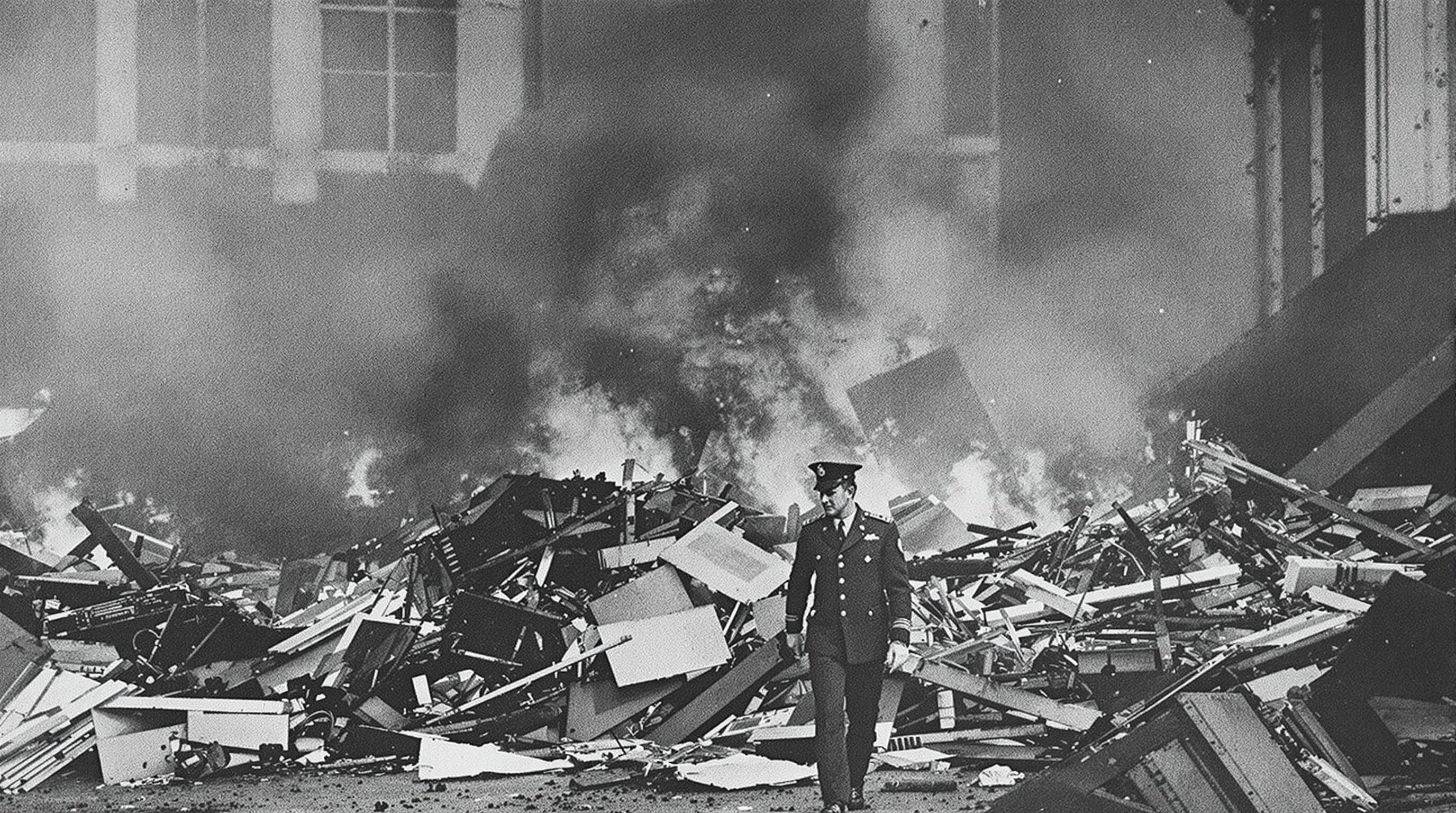
Throughout history, certain crashes—be they financial, industrial, or social—have left indelible marks on economies, often missed in broader discussions. By delving into these forgotten events, we can uncover staggering economic impacts that resonate even today.
The Butterfly Effect of the Stock Market Crash of 1929
Most people are aware that the Stock Market Crash of 1929 led to the Great Depression, but how many realize its far-reaching consequences on various sectors? The economy shrank by nearly 30%, and unemployment soared to around 25%, leaving millions without jobs and prompting a cascade of foreclosures and bank failures.
This event didn’t just affect the United States; the ramifications of the crash rippled through global markets. For instance, countries like Germany, which was already reeling from the reparations imposed by the Treaty of Versailles, faced severe economic instability, paving the way for political extremism, including the rise of the Nazi Party. The interconnectedness of economies highlights how an event like this serves as a critical pivot in global financial history.
The Dust Bowl: An Agricultural Catastrophe
Picture this: it's the 1930s, and vast swathes of farmland are reduced to desolate dust, crops failing and farmers fleeing westward. This was not only a natural disaster but a failure—of policy, of agricultural practices, and of economic foresight. The Dust Bowl displaced around 2.5 million people, a catastrophic number that deeply affected agricultural output and economic stability.
In terms of numbers, the Dust Bowl is estimated to have cost the United States economy $25 billion at the time (approximately $300 billion in today's dollars). This displacement created a demographic crisis as farmers sought better opportunities in the more fertile lands of California, leading to extensive social and economic challenges for both the arrivals and the local populations. It illustrates the profound impact climate and economic policy can have on community structures and national stability.
Economic Follies: The Tulip Mania
Ever heard of the phrase "tulip mania"? It may sound whimsical, but this historical event speaks volumes about speculative bubbles. In the Netherlands during the 1630s, the price of tulip bulbs soared to unprecedented heights, with some bulbs selling for more than ten times the annual income of a skilled craftsman. Yet, as enthusiasm peaked, so did the inevitable crash.
The ultimate collapse resulted in an economic downturn that left many families in financial ruin and sent shockwaves throughout the Dutch economy. The consequences lasted far longer than the craze itself, demonstrating how unchecked speculation can lead to unforeseen economic collapses and societal shifts.
The Role of Government In Intervention
It begs the question: when should the government intervene during such crises? The fear is always that intervention can lead to more market distortions. For example, in the wake of the tulip crash, regulatory measures sprang up, but did they really help? Or did they just curb innovation and resilience in the economy? Institutions pondering this dilemma often look back at historical incidents to glean insights for future decision-making.
Similarly, during the Great Depression, the New Deal became one of the most significant interventions in U.S. history. With massive government spending and infrastructure programs, the economy started to bounce back, but questions remain about the long-term implications of such massive state involvement.
From Pain to Policy: The Lessons Learned
What do we learn from these economic crashes? For one, they often expose weaknesses that had previously gone unnoticed. They remind us that economies are living entities, susceptible to the whims of human behavior. The constant push-and-pull between optimism and despair plays out not just in markets but in the very fabric of society.
Take the collapse of Lehman Brothers in 2008 as a contemporary sibling of the Great Depression. The financial crisis it triggered was yet another reminder of how interlinked modern finance has become: a house of cards built on complex derivatives, over-leverage, and financial instruments that few understood. With the financial system’s interconnectedness, one institution’s failure can lead to a spiral that ensnares the entire global economy.
Humor in the Hardship: A Raunchy Reality Check
Okay, so maybe the thought of economic ruin isn’t exactly a laughing matter. But consider this: during the Great Depression, people still found humor in their dire circumstances. Comedians used the economic strife as fuel for their best material, turning frowns into laughter. After all, what’s the point of wallowing in misery when you can laugh at the absurdity of it all?
Perhaps the lesson here is mild: even amidst hardship, humor can promote resilience, a theme echoed throughout histories of economic plight. There's a certain irony in how a national calamity birthed not just suffering but artistic expression—drawing caricatures of politicians, telling tales of bumbling stockbrokers, and encapsulating the human spirit’s capacity to adapt.
The Forgotten Crisis of 1973: Oil Embargo and Economic Disruption
Fast forward to the 1970s, and we find ourselves wrestling with another disaster—an oil embargo that transformed economies overnight. Members of the Organization of Arab Petroleum Exporting Countries (OAPEC) declared an oil embargo in response to U.S. support for Israel during the Yom Kippur War, causing oil prices to quadruple and leading to gas shortages worldwide.
The resulting inflation affected everything from food prices to transport costs, highlighting how heavily reliant modern economies can be on a single commodity. It's estimated that the U.S. economy lost approximately $200 billion (over $1 trillion today) due to inflation and economic disruption caused by this crisis. The event forced countries to rethink energy dependency and explore alternatives, leading to advancements in energy conservation and technology that resonate to this day.
Today’s Lessons from Yesterday’s Mistakes
With every recession and crash, there seems to be a lesson worth learning—yet history often has a way of repeating itself. In 2023, we still grapple with the fallout from the pandemic and the volatile nature of economies around the globe. We often hear cries for regulatory reform and the utilization of historical data to predict, and possibly avoid, future disasters.
Interestingly, a survey conducted by McKinsey & Company found that 60% of business executives believe that understanding historical economic patterns both informs and enhances strategy. It’s almost as if we’re collectively shouting, “Let’s not be idiots about this!”
Case Study: The Financial Crisis of 2008
The way we respond informs how society moves forward. The financial bailout of banks aimed at mitigating the fallout from the 2008 economic crisis shifted public perception regarding government interventions. Analysts reported that in the five years following the crisis, global production increased, with the global economy growing by approximately 3.6% per year on average. It’s worth noting, however, that even as markets recovered, wealth inequality remained at alarming levels, triggering questions about who truly benefits from such recoveries.
This perception encourages not just reflection but action to combat future economic pitfalls. It seems ironic that lessons learned from past economic disasters only come to light when a new one folds over the horizon.
Conclusion: The Mixed Legacy of Economic Crashes
Ultimately, the ramifications of the economic crashes we’ve explored echo through the ages. Historical events swirl through time like feathers in a windstorm, their corners popping up unexpectedly at opportune moments. From the humble tulip to the soaring oil prices, the lessons imbued in our past teach us resilience and the importance of economic awareness.
These forgotten crashes deserve more than a fleeting mention in our textbooks; they are vital to understanding our current economic landscape. Perhaps the greatest takeaway from our retrospective on history is the reminder that economics isn't just about numbers on a page—it's about people, cultures, and the stories that shape our collective experience.
So here’s to discovering the unheard narratives from our past and applying those lessons as we forge our future. Let’s hope we can begin to learn more than just how to duck and cover when the next storm rolls in.
Read More