Related Articles
- Reviving Ancestral Wisdom: How Outdated Superstitions Can Shape Contemporary Mental Health Practices
- Veiled Histories: How Little-Known Figures from the Past Can Transform Contemporary Leadership Approaches
- The Art of Disruption: How Past Rebellions Shape Today's Entrepreneurial Spirit
- Lost in Translation: The Surprising Role of Language in the Evolution and Misunderstanding of Global Currency
- Currency as a Canvas: Exploring the Intersection of Politics, Propaganda, and Artistic Expression in Monetary Design
- Unmasking the Shadows: How Currency Forgers Shaped Financial Trust and Safety Through the Ages
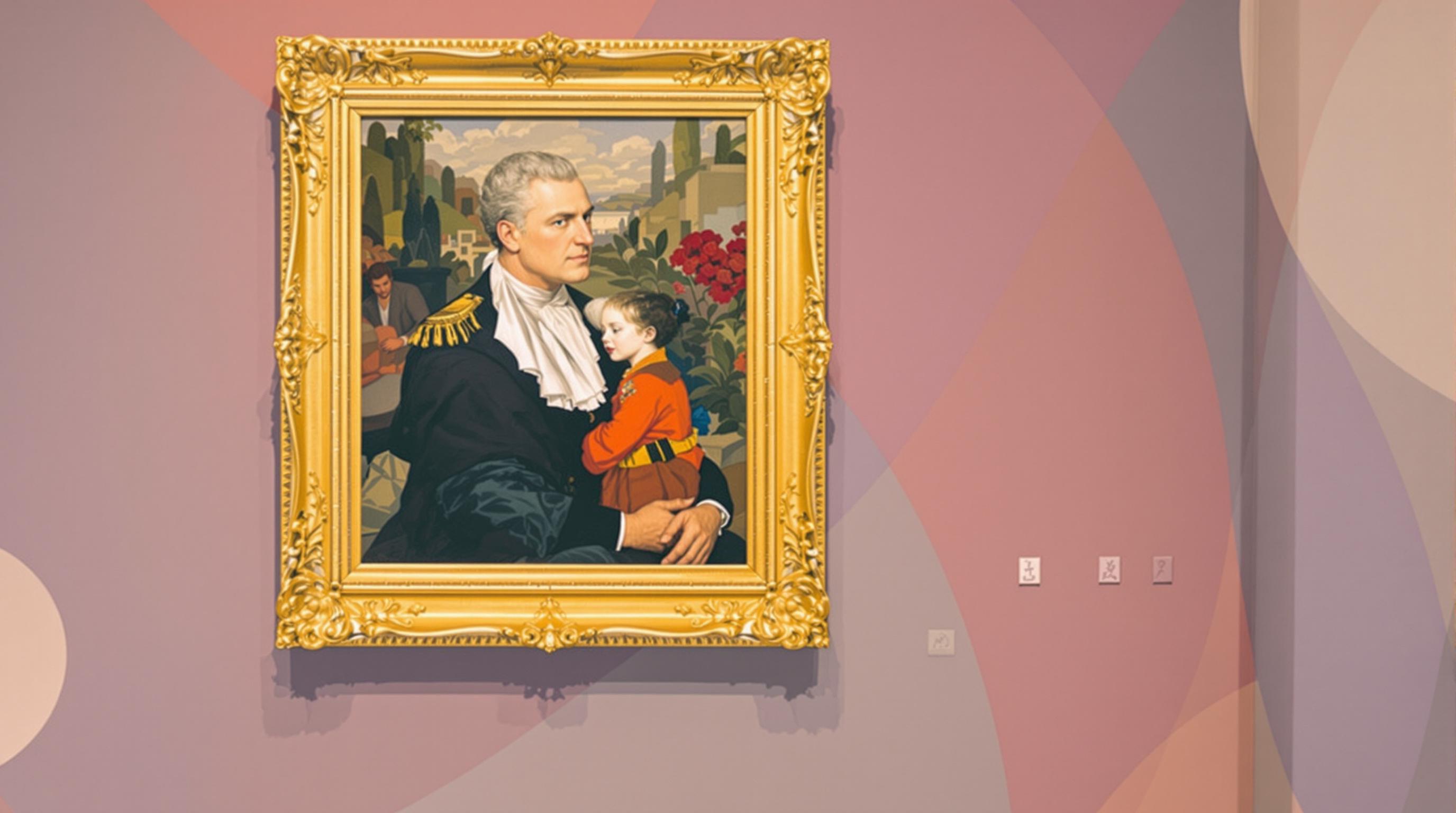
The Impact of Art Movements on Investor Sentiment During Market Downturns Throughout History
The Impact of Art Movements on Investor Sentiment During Market Downturns Throughout History
The intricate relationship between art movements and investor sentiment during market downturns offers fascinating insights into human behavior and cultural trends. As the economy falters, fluctuating artistic expressions often influence financial decision-making, revealing the emotions and motivations of both investors and artists.
The Fluctuating Landscape of Art and Finance
Art has always been a reflection of society, mirroring public sentiment and collective anxiety, particularly during economic crises. When the stock market takes a nosedive, investor confidence dips, creating a complex interplay between art movements and market behavior. For instance, during the 2008 financial crisis, many investors turned to contemporary art as a safe investment, with auction sales soaring for certain categories. According to a report from the Art Market Monitor, as traditional investment options faltered, contemporary artwork became an attractive refuge.
Why Art Matters in Times of Crisis
Now, let’s put on our philosopher’s cap for a minute. Have you ever noticed how in tough times, people often gravitate toward beauty? It’s almost as if we seek solace in creativity to distract us from harsh realities. History shows us that art can serve as a balm, ushering in hope during market downturns. The expressionism movement that arose post-World War I, spearheaded by artists like Edvard Munch, captured the essence of turmoil and anxiety, signaling a societal desire to confront distress through artistic endeavor.
Case Study: The Great Depression and Surrealism
The Great Depression of the 1930s remains etched in history as a devastating period for the economy, where investor pessimism ran rampant. However, this period also birthed the Surrealist movement, populated by provocative artists like Salvador Dalí and René Magritte. These artists explored dreams and the subconscious, hoping to address the collective trauma experienced during that time. Connoisseurs and collectors found worth in these unsettling, yet poignant artworks, signifying how human consciousness attempts to navigate through chaos.
Statistical Insights: Art as a Hedge Against Economic Turmoil
Interestingly, research has revealed that artworks maintain or even increase in value longer than traditional assets during downturns. A study by the Knight Frank Luxury Investment Index indicated that art prices had risen by over 300% between 2000 and 2019, outpacing traditional investment vehicles like stocks or real estate. This correlation can partly explain why wealthier individuals often diversify their portfolios with art—crafting a hedge against financial instability.
Investor Sentiment During Major Economic Events
Consider the significant drop in the stock market in March 2020 due to the onset of the COVID-19 pandemic. While investors scrambled to safeguard their finances, the art market seemed to pivot remarkably well. Online auctions became a new method of showcasing and selling art, fostering a memorable surge in demand for both established and emerging artists. Figures from Sotheby’s showed a 175% increase in online sales compared to the previous year, proving that during volatile times, art carries uniqueness and value that traditional investments often fail to encapsulate.
The Role of Narrative in Artistic Movements
Art movements are not merely a collection of strokes on a canvas; they represent narratives filled with fervor, revolution, and—nay—emotion! The Pop Art movement of the 1960s, led by figures like Andy Warhol and Roy Lichtenstein, didn’t just serve as a backdrop for economic prosperity; it responded to consumerism's explosion during the post-war boom. During market instabilities, such movements remind investors and collectors that art can challenge societal norms and provide commentary on prevailing issues—be it consumerism or capitalism. Investors are often enticed by not just the visual appeal, but the rich backstory that accompanies these captivating pieces.
The Emotional Connection
Art is incredibly emotional, and during downturns, people are more likely to make impulsive decisions based on their feelings. Think of it as an emotional buffet—when financial markets dip, investors might feel like reaching for a vibrant art piece to uplift their spirits. In 1987, after Black Monday when markets plummeted by 22%, art sales increased significantly as investors sought comfort in collecting and aesthetics. It's as if they were saying, “If I can’t have my stocks, I want my Warhol!”
Humorous Anecdotes: Can Art Pay the Bills?
Here’s where we can lighten up! People often joke about how they could have bought that ‘cute’ painting if they had only known that it’d be worth a fortune one day. Picture this: a wealthy investor buys a van Gogh not because he loves it, but because it reminds him of all those long-forgotten happier days. Yet, while some view art as a vanity project, others recognize the strategic place it holds in an investment portfolio. In a way, collecting art during downturns is like wearing a designer jacket—“I'm stylish AND smart!”
Influencers of Art Movements
Art doesn’t exist in a vacuum; it’s influenced by various elements, including politics, economy, and psychology. The market’s volatility can incite a wave of creativity, prompting artists to experiment. Look at the Street Art movement of the late 20th century, which emerged during economic neglect and social unrest in urban areas. Figures like Banksy and Shepard Fairey inspired both a new generation of artists and investors, showcasing that art can be a dynamic and responsive reaction to societal issues.
Investment Strategies: Looking to the Future
So what should investors take away from this beautifully convoluted relationship between art and market downturns? A strategy could involve investing in art that resonates with historical contexts, taking cues from movements that flourished during times of adversity. This may include pieces by artists who narrate stories of resilience and recovery, encapsulating the human spirit that triumphs even during turbulent economic times.
Young Investors and the Changing Landscape of Art
Now let’s turn to the millennials and Gen Zs, who are redefining the scope of art investments. They’re not shying away from artwork—they’re inclined to collect pieces on social media platforms, veering toward digital art and NFTs. With the emergence of blockchain technology, investing in art has never been more accessible. Organizations like Masterworks allow everyday individuals to invest in shares of iconic artworks, creating a community of young art aficionados who can indulge in their passions without draining their bank accounts. As they say, “Art is for everyone, even on a budget!”
The Power of Community in Art Investing
At the end of the day, the art world thrives on community. Galleries, influencer events, and art fairs unite passionate collectors, buyers, and artists alike. They create a dialogue that allows people to share ideas, narratives, and—yes—experiences that link back to investor sentiments in times of economic tumult. Feeling a sense of belonging can equally influence buying behavior, making collectors truly excited to invest in culture, even when the markets are down.
Looking Forward: Navigating Uncharted Waters
The future of art investment will likely revolve around the intersection of technology, community, and emotional resonance. As the world continues to grapple with economic fluctuations, investors will increasingly turn to art as a form of expression, sanity, and—dare we say it—a refuge. Art movements will continue to emerge in resonance with socio-economic shifts, enhancing their appeal as both tangible assets and narratives that capture the essence of humanity and resilience.
In conclusion, art and finance continually shape and inform one another, forging intricate connections during market downturns. The stories told through various art movements reflect the heart of human experience, demonstrating how beauty thrives alongside chaos. Even when markets stumble, the changing landscape of art investing offers glimmers of hope, inspiration, and, yes—potential financial gain. As you ponder your investment future, consider perhaps an art piece that speaks not just to your taste, but your story—a story that may transcend time and resonate with the rhythms of our collective experience.
Read More