Related Articles
- Reviving Ancestral Wisdom: How Outdated Superstitions Can Shape Contemporary Mental Health Practices
- Veiled Histories: How Little-Known Figures from the Past Can Transform Contemporary Leadership Approaches
- The Art of Disruption: How Past Rebellions Shape Today's Entrepreneurial Spirit
- Lost in Translation: The Surprising Role of Language in the Evolution and Misunderstanding of Global Currency
- Currency as a Canvas: Exploring the Intersection of Politics, Propaganda, and Artistic Expression in Monetary Design
- Unmasking the Shadows: How Currency Forgers Shaped Financial Trust and Safety Through the Ages

The Psychological Ripple Effect: How Fear Drives Market Behavior During Crashes
The Psychological Ripple Effect: How Fear Drives Market Behavior During Crashes
The psychological sensitivity to fear significantly influences market behavior, particularly during economic downturns or crashes. This article delves into the motivations behind market movements when panic sets in and explores the profound ripple effect stemming from collective investor psychology.
Understanding the Nature of Fear
Fear is a primal emotion that can cause people to react instinctively. In financial markets, fear manifests as panic selling during downturns, often leading to sharp declines. According to a 2022 study from Behavioral Finance Journal, nearly 75% of investors reported making poor decisions during times of market distress, driven primarily by fear.
How Fear Spurs Decision Making
Imagine a bakery on a rainy day. As customers trickle in and out, the bakery owner feels a sense of unease. Noticing fewer sales, they instinctively raise prices, fearing a loss — and thus, they inadvertently scare away even more customers. This analogy captures the essence of market behavior. Investors, confronted with a downturn, often make rash decisions that exacerbate the problem.
The Role of Social Media and Information Dissemination
In our digitally connected world, news travels at lightning speed. Social media platforms amplify fear by sharing sensational headlines that can quickly ignite panic. For instance, during the COVID-19 pandemic, panic coursed through markets almost instantaneously due to tweets and viral posts predicting dramatic losses. According to research published in the International Journal of Finance, tweets from influential figures had a measurable negative effect on market volatility.
Case Studies of Market Crashes
The 2008 Financial Crisis stands as a stark reminder of how fear can dictate market behavior. As the subprime mortgage crisis unfolded, investors grew horrified at the prospect of economic collapse. Millions watched as their stocks and life savings evaporated, leading to a downward spiral fueled by fear — not just of loss, but of social stigma associated with poor decision-making. Studies indicate that this fear led to a massive sell-off, resulting in a loss of approximately $19 trillion in global wealth.
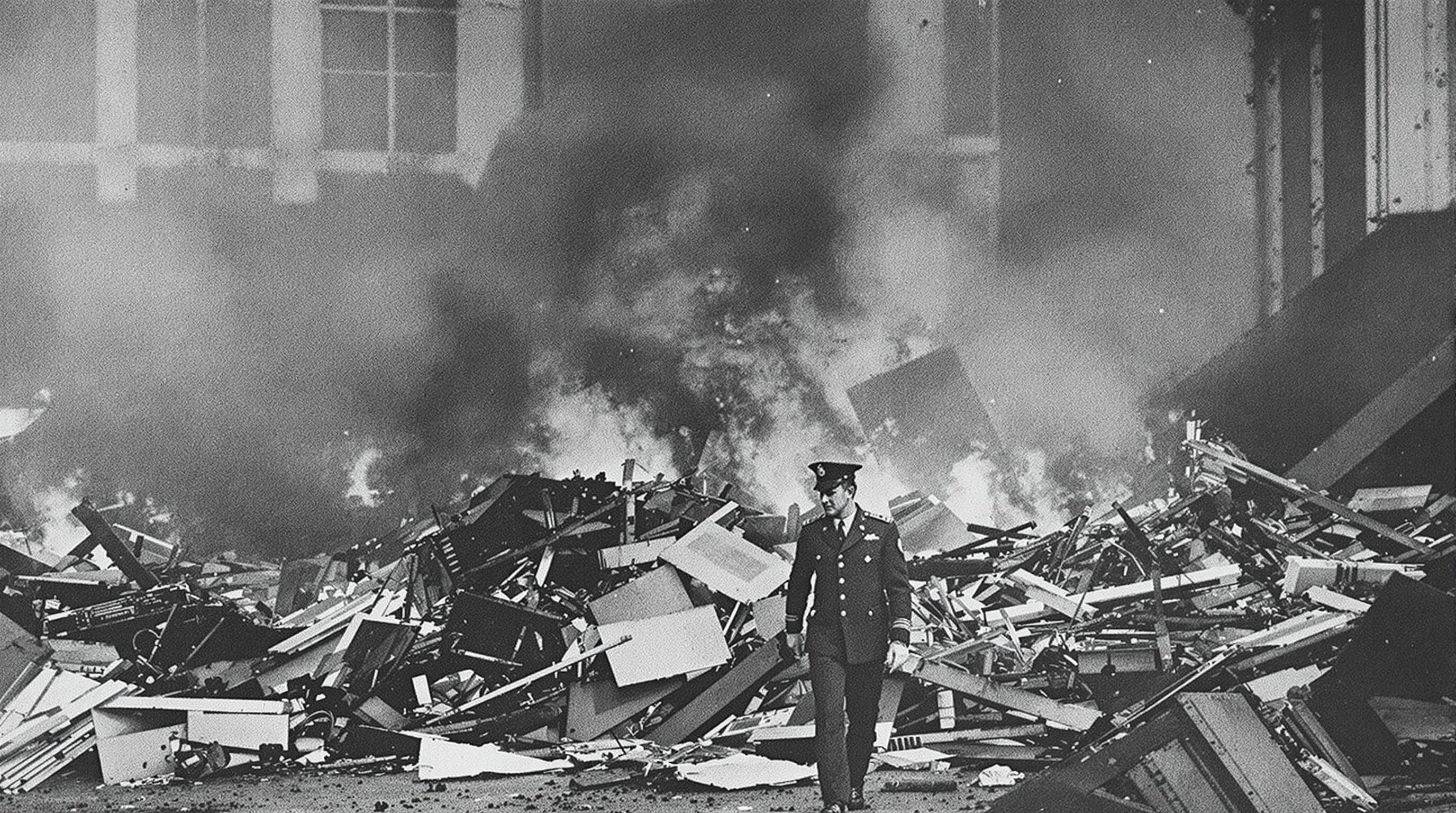
Similarly, the 1929 Wall Street Crash illustrates the psychological repercussions of panic. Once a dominant bull market, a few negative reports turned the tide, leading to frenzied sales. By the time the dust had settled, stocks had plummeted by nearly 90%, driven by a fear that gripped investors and led many back to the drawing board, seeking more prudent investment options.
The Fear-Driven Feedback Loop
What is particularly captivating is the feedback loop that fear creates. As prices drop, more investors start to panic, thus selling off assets to minimize losses. This behavior leads to further declines, which in turn only heightens the fear. Investment advisor Reuben Emari observed that when the Dow Jones dropped by over 1,000 points in one day, almost 60% of investors expressed that they were fundamentally re-thinking their entire approach to investing.
Investor Psychology: From Fear to Complacency
Once the dust settles after a crash, complacency can take over. Investors, once driven by fear, may adopt a more aggressive risk appetite as they believe they have "missed the boat" on recovery opportunities. A study by the CFA Institute showed that over 60% of investors returned to the market with bolder strategies following a downturn, only to risk facing the same fearful cycle again as markets turn volatile.
Turnaround Strategies: Navigating the Hurricane of Fear
So, how can investors learn to navigate the stormy seas of fear? Taking a more long-term view can help. History has shown us that markets generally rebound. For example, after the 2008 crisis, the S&P 500 rebounded to gain over 400% by the end of 2020. Cognitive behavioral strategies, such as mindfulness and detachment techniques, can also help. Meditating on past successes instead of focusing solely on current losses may lessen the grip of fear on decision-making.
Humor as a Coping Mechanism
Let’s lighten the mood for a moment! Have you heard the one about the investor who lost everything? He’s been searching for a "bear" to hug! In times of turmoil, humor can act as a release valve, allowing investors to cope with the anxiety of market fluctuations. After all, if we don’t laugh about our missteps, we might just cry!
The Influence of Behavioral Economics
Behavioral economics offers insights into why fear has such a pronounced impact on market behavior. The concept of “loss aversion” indicates that losses are felt more acutely than equivalent gains. For example, the pain of losing $1,000 is psychologically more impactful than the joy of winning $1,000. Understanding these principles is crucial for investors to mitigate fear responses when market crises hit.
Generational Differences in Investing
Interestingly, different age groups exhibit varied responses to fear in the market. Younger investors, often less experienced, may react with a “buy-the-dip” mentality, inspired by social media trends. In contrast, older investors may be more risk-averse, stemming from experiences in past market crashes. This can create intergenerational tension as the former group tends to fuel volatility while the latter seeks stability.
The Role of Expert Guidance
A financial advisor can act as a calming presence amidst chaos. Studies indicate that investors who worked with advisors rather than navigating markets alone experienced lower anxiety and better overall returns. During downturns, the value of expert guidance cannot be overstated. A supportive voice offering sound advice can counteract the fear that often washes over retail investors.
Practical Tips for Investors
First, consider setting clear stop-loss orders. This automated approach can ease the emotional burden of fear-driven decisions. Second, maintaining a diversified portfolio helps to buffer against market shocks. As the old saying goes: “Don’t put all your eggs in one basket.” Finally, cultivating a bulletproof mindset — focusing on long-term goals — can help keep fear-induced impulses at bay.
Conclusion: The Path Forward
Fear, while a natural human response, can wreak havoc on market behavior and individual portfolios. We can’t entirely eliminate the influence of fear, but through understanding its mechanisms, employing strategies to combat it, and fostering a mindset centered on long-term growth, we can minimize its detrimental effects. The next time panic strikes, remember: markets are inherently cyclical, and fear is often just a temporary flicker in the grand tapestry of investing.
As you embark on your investment journey, whether you’re just starting or are a seasoned veteran, developing resilience against fear may very well be your most powerful tool. Embrace your mistakes as learning experiences and allow the psychological ripple effect to guide you, rather than dictate your financial fate.
Read More