Related Articles
- Reviving Ancestral Wisdom: How Outdated Superstitions Can Shape Contemporary Mental Health Practices
- Veiled Histories: How Little-Known Figures from the Past Can Transform Contemporary Leadership Approaches
- The Art of Disruption: How Past Rebellions Shape Today's Entrepreneurial Spirit
- Lost in Translation: The Surprising Role of Language in the Evolution and Misunderstanding of Global Currency
- Currency as a Canvas: Exploring the Intersection of Politics, Propaganda, and Artistic Expression in Monetary Design
- Unmasking the Shadows: How Currency Forgers Shaped Financial Trust and Safety Through the Ages
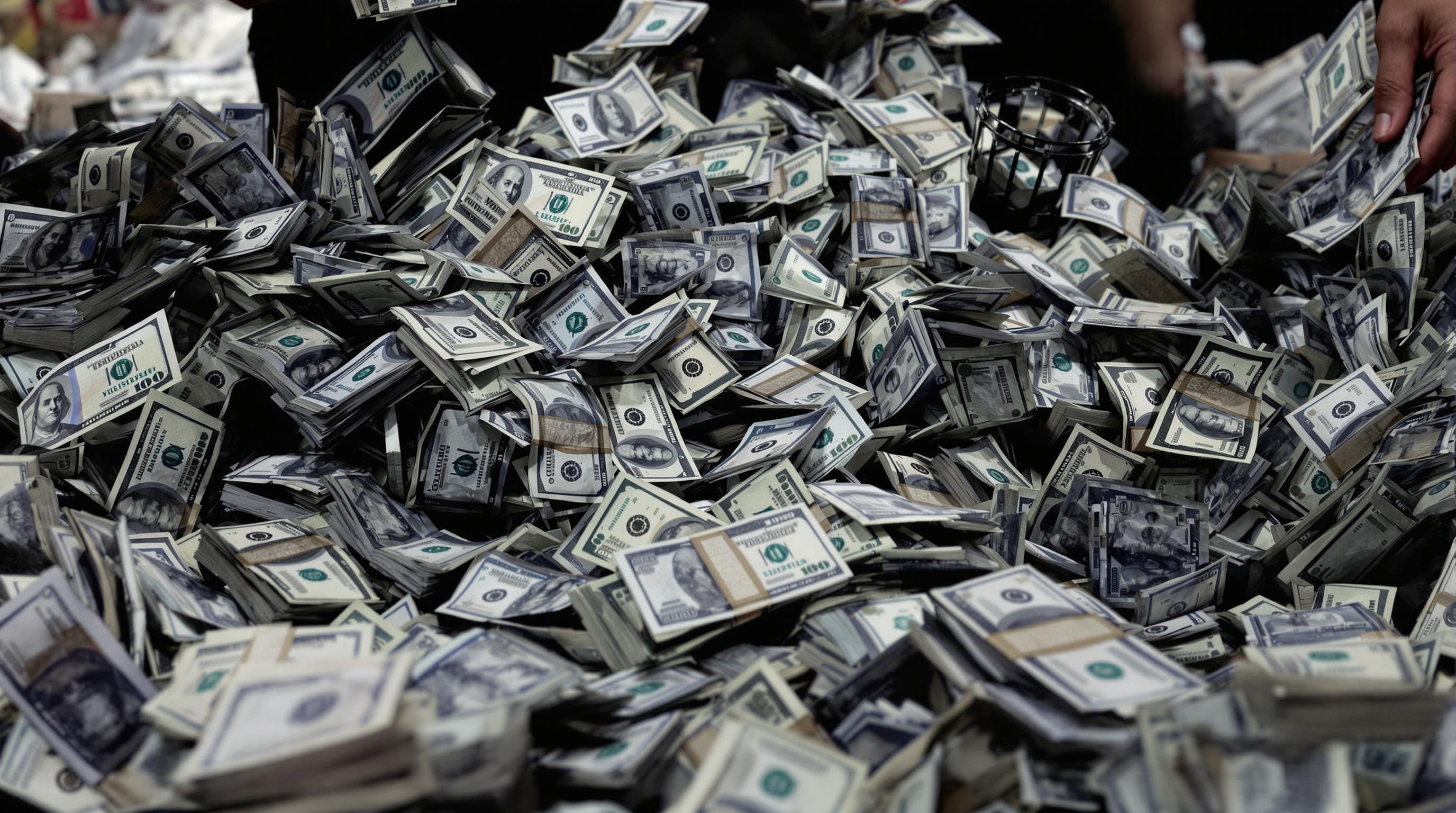
When Cash Meets Chaos: Analyzing the Strange Habits of Hoarding During Economic Turmoil
When Cash Meets Chaos: Analyzing the Strange Habits of Hoarding During Economic Turmoil
Economic turmoil often breeds uncertainty, and it is during these chaotic times that we see unusual behaviors emerge, particularly hoarding. In this exploration, we will delve into the psychological, social, and economic factors influencing hoarding habits, supplemented by case studies, statistics, and some humorous takes on human behavior.
The Invisible Hand of Fear
During crises, such as the 2008 financial meltdown, people tend to accumulate goods they feel might provide security. According to a study by the Federal Reserve, during economic downturns, over 38% of households reported altering their saving behavior to prepare for the future, often leading to compulsive purchasing habits.
Imagine a mother of three, let’s call her Linda, who during the financial crisis began stockpiling canned goods and toilet paper. It wasn't because she had a family of seven; she was merely reacting to a sense of anxiety that dictated her choices. The innate fear of scarcity can sometimes tip into extreme hoarding behavior, leading individuals to collect excess that extends beyond their needs.
A Silver Lining: The Power of Community
On a lighter note, let’s not forget the quirky community responses to hoarding. During the pandemic, social media sparked numerous challenges heavy with irony, like the now-infamous #ToiletPaperChallenge. This humorous campaign saw people posting their stacks of toilet paper as a way to mock the irrational buying sprees that swept the globe. It turns out humor can be a great coping mechanism, helping individuals process fear through laughter.
The Psychology of Accumulation
What drives someone to hoard when the world feels chaotic? According to Dr. Randy O. Frost and Dr. Gail Steketee, authors of "Stuff: Compulsive Hoarding and the Meaning of Things," the psychological aspect involves a deep emotional connection to possessions. Items become symbols of safety and comfort, particularly during times hinged on insecurity.
Statistics tell the story: a survey conducted by the UK's National Health Service found that nearly 1.5 million people display significant hoarding behaviors, many of whom were affected by economic downturns. When basic needs become uncertain, the mind’s response can be to hold on to anything that provides a sense of control and predictability.
Hoarding in the Age of Social Media
Now, let's switch gears and talk about social media, a double-edged sword in the hoarding narrative. Platforms like Instagram and TikTok have become battlegrounds for various trends, including minimalism. However, against this backdrop, the chaotic behaviors of buying more and collecting more during economic stress remain prevalent.
Take the example of TikTok’s #HoardersOfTikTok, where individuals showcase their extensive collections of items, from Pokémon cards to vintage toys. It’s fascinating (and slightly perplexing) how these habits intersect with social media trends, showcasing a bizarre blend of privacy and performance.
The Historical Context of Hoarding
To fully appreciate the complexity of this behavior, we must look back at history. The Great Depression saw a staggering number of individuals resorting to hoarding staples due to widespread food shortages. A 1933 study by the American Psychological Association indicated that nearly 70% of families adopted hoarding practices as a means to mitigate the fear of famine and financial ruin.
Fast forward to today, and we find ourselves navigating a landscape shaped by global events — the COVID-19 pandemic, unstable economic indicators, and a looming climate crisis, all shaping our buying habits. A survey from the Harris Poll found that 55% of Americans reported purchasing more non-perishable items during the pandemic, showcasing that even a century later, the scars of economic distress persist.
Hear Me Roar: The Impact on Personal Relationships
While hoarding may seem like a personal act, it can have ripple effects on family dynamics. Picture a family where a member’s hoarding becomes a source of familial tension. With roughly 50% of hoarding cases resulting in familial disputes, the intricate web of relationships becomes strained, leaving loved ones grappling with how to maintain connections amidst chaos.
Healthcare and Economic Consequences
On a more serious note, the consequences of hoarding extend beyond personal turmoil. According to the American Psychological Association, hoarding can increase healthcare costs significantly. The clutter associated with hoarding behavior can lead to hazardous living conditions, impacting everything from physical health to mental well-being.
Additionally, local governments often invest substantially in cleanup efforts for hoarding cases, draining resources that could be allocated elsewhere. In New York City, officials have embarked on initiatives to tackle extreme cases costing taxpayers an estimated $1.3 million annually. The financial implications can be staggering, especially in the context of economic downturns.
Strategizing Against Hoarding
When faced with economic uncertainty, what can we do to quell the instinct to hoard? Experts recommend grounding practices, like mindfulness, which encourages individuals to acknowledge their feelings without letting those emotions dictate their actions. Assessing needs versus wants is crucial; establishing a strict shopping list can enhance clarity and prevent impulsive purchases.
Learning from Experience
Take the example of Tom, a marketing professional who, following the economic fallout of the pandemic, discovered the fine line between stocking up and hoarding. Recognizing his tendency to gather non-essential items fueled by anxiety, he initiated a step-by-step approach to eliminate excess clutter and subsequently found a renewed clarity in his life.
Tom began by documenting his consumption habits, which drove home the realization that his feared scenarios were largely unfounded. Regularly donating items to charities not only offered him relief but also a sense of community; he transformed the narrative from isolation to connectivity. This is a valuable takeaway, demonstrating that even during chaotic times, it’s possible to rebuild healthier habits.
The Consumer’s Dilemma
In analyzing the strange habits of hoarding, it’s impossible to ignore the role of marketing and consumerism. The age of advertising touts abundance, enticing individuals to buy more than they need. During times of economic turmoil, this urge can become exacerbated by ‘Flash Sales’ and ‘Limited Time Offers’ that evoke a fear of missing out.
In a notable case during the pandemic, grocery chains witnessed a staggering increase in sales, with a 31% rise in total grocery sales specifically attributed to panic buying. In fact, nearly 70% of consumers admitted to purchasing unnecessary items during this period. The idea of excess becomes almost normalized in the context of chaos.
Regaining Control
The path to recovery from hoarding behaviors is not linear, but possible. The National Alliance on Mental Illness (NAMI) outlines some effective strategies including professional counseling and behavioral therapy. Support groups offer a space for shared experiences, facilitating understanding and growth.
As individuals navigate their own economic realities, success may also come from community support, such as shared interests in decluttering initiatives or local volunteer efforts that focus on sustainability. It’s a reminder that while the act of hoarding may attempt to provide control, it can often lead to greater chaos.
Connecting the Dots: The Bigger Picture
Ultimately, understanding the strange habits of hoarding during economic turmoil provides insight into our collective psyche. It challenges us to confront our vulnerabilities while reminding us that in chaos, there lies potential for community and healing. As we analyze these behaviors, let’s reflect on how we can engage with the world differently, offering support to ourselves and those around us.
In conclusion, the relationship between economic turmoil and hoarding is a profound lens through which we can examine human behavior. Understanding this dynamic encourages a deeper appreciation of our choices concerning consumption, connection, and community. When cash meets chaos, let us strive not to hoard but to share, fostering a healthier society in the process — because in the end, we are all in this together.
Read More