Related Articles
- Reviving Ancestral Wisdom: How Outdated Superstitions Can Shape Contemporary Mental Health Practices
- Veiled Histories: How Little-Known Figures from the Past Can Transform Contemporary Leadership Approaches
- The Art of Disruption: How Past Rebellions Shape Today's Entrepreneurial Spirit
- Lost in Translation: The Surprising Role of Language in the Evolution and Misunderstanding of Global Currency
- Currency as a Canvas: Exploring the Intersection of Politics, Propaganda, and Artistic Expression in Monetary Design
- Unmasking the Shadows: How Currency Forgers Shaped Financial Trust and Safety Through the Ages
Beyond Borders: How Financial Mavericks are Challenging Nation-State Control in the Age of Globalization
Beyond Borders: How Financial Mavericks are Challenging Nation-State Control in the Age of Globalization
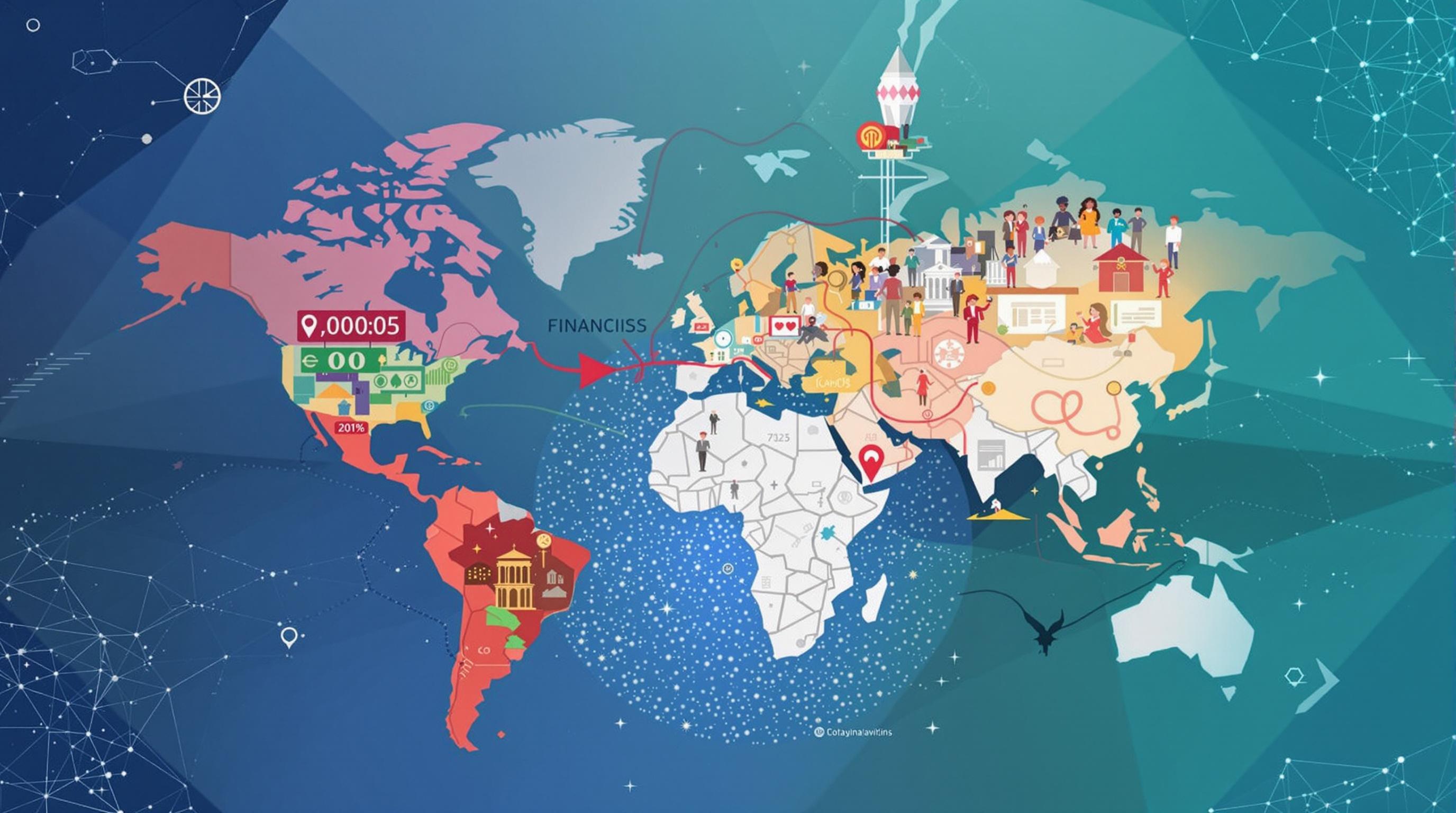
In an increasingly interconnected world, financial mavericks are leveraging technology and global trends to transcend nation-state boundaries, challenging traditional financial paradigms. This article explores the dynamics of globalization, the rise of alternative financial systems, and the implications for government control.
The Global Village: A Shifting Economic Landscape
As we step into the 21st century, we find ourselves navigating through what sociologist Marshall McLuhan dubbed the “global village.” More than ever, the barriers that once separated countries are crumbling beneath the weight of technology and globalization.
According to a report by McKinsey & Company, global flows of trade, finance, and people are three times larger than they were in 1990. This burgeoning interconnectivity enables individuals to share ideas, resources, and, importantly, financial transactions like never before.
Financial Mavericks: Who Are They?
Imagine waking up to a world where you don’t have to rely solely on your government’s banking system. This is the realm inhabited by financial mavericks. Individuals like Christine Lagarde, former Managing Director of the International Monetary Fund, and Jack Dorsey, co-founder of Twitter and founder of Square, have been at the forefront, pushing boundaries and challenging norms.
Young entrepreneurs, coders, and displaced workers from various backgrounds are challenging the centralized finance models that have long been taken for granted. They seek to replace the traditional banking system with decentralized financial solutions that offer greater accessibility and autonomy.
Cryptocurrency: A Game Changer
As a classic example of this financial revolution, cryptocurrencies like Bitcoin and Ethereum have gained traction faster than anticipated. According to CoinMarketCap, the total cryptocurrency market capitalization exceeded $2 trillion in 2021, showcasing the appetite for digital currencies.
With no central authority controlling these currencies, they present a potent challenge to the hegemony of nation-states. Blockchain technology, which enables the secure transfer of digital assets, empowers individuals to transact directly without intermediaries. This opens up an array of possibilities for economies across the globe but raises alarm bells in the halls of government.
The Case of El Salvador
In a bold move that sent shockwaves through the financial world, El Salvador became the first country to adopt Bitcoin as legal tender in 2021. President Nayib Bukele's decision aimed to enhance financial inclusion and attract foreign investment. This controversial decision was met with both enthusiasm and skepticism, igniting debates over the legitimacy of cryptocurrencies as real money.
While proponents argue that Bitcoin provides unbanked populations access to financial services, critics warn of the volatility it introduces into an already fragile economy. As El Salvador navigates its new digital landscape, it serves as a case study for other nations contemplating similar paths.
Digital Innovation in Finance
Let’s take a stroll down memory lane. Remember when we had to physically go to a bank, stand in line, and wait for hours just to withdraw cash? Those days are long gone. The advent of mobile banking and technological innovations has redefined how we think about money.
Companies like PayPal and Venmo have revolutionized peer-to-peer transactions, giving users the ability to send money with just a few taps on their smartphones. According to a survey by Statista, mobile banking users globally reached 1.8 billion in 2021 and are projected to rise to 2.5 billion by 2024. It’s safe to say that financial traditionalists are sweating a bit!
The Power of Decentralized Finance (DeFi)
DeFi represents a further radical shift in financial norms. Powered by blockchain technology, DeFi platforms allow users to lend, borrow, and trade without the need for banks. As of late 2021, platforms like Uniswap and Aave saw billions in total value locked, showcasing the growing trust in these decentralized networks.
Moreover, DeFi applications are built on open-source code, meaning that anyone can participate. This democratization of finance invites more significant innovation and creates a more inclusive financial ecosystem. In this landscape, financial literacy takes on new significance, as users must understand risks like impermanent loss and smart contract vulnerabilities.
What’s Next? The Role of Regulation
Despite the exhilarating opportunities that lie ahead, the rise of financial mavericks hasn’t come without its pitfalls. Regulators worldwide are grappling with how to control a system that operates outside conventional frameworks. The challenge? Striking a balance between innovation and consumer protection.
In March 2022, the U.S. Treasury Secretary Janet Yellen called for a comprehensive framework to regulate cryptocurrencies, highlighting the need to avert risks posed by unregulated markets. As nations attempt to wrestle back control, will they inadvertently stifle innovation?
Global Disparities: A Double-Edged Sword
While financial mavericks thrive in some regions, they face significant hurdles in others. The digital divide remains a real challenge: approximately 2.9 billion people, predominantly in developing countries, lack internet access, thereby limiting their exposure to global financial opportunities. As financial systems evolve, we must consider those left behind.
A report by the World Bank indicates that mobile money has increased financial inclusion in Africa, with over 300 million accounts opened in recent years. This suggests that while globalization offers pathways for financial empowerment, it can also exacerbate existing inequalities.
Financial Literacy: A Necessity in the Information Age
To navigate this increasingly complex landscape, financial literacy has never been more crucial. A study by the National Endowment for Financial Education found that 39% of adults in the United States could not correctly answer any of the basic personal finance questions posed. Yikes!
For young people, mastering finance in the digital age can offer an edge. Understanding the implications of cryptocurrencies, DeFi, and financial technology equips individuals with the tools to seize opportunities that come their way. Moreover, as financial mechanisms evolve, so do the skills required to maneuver them successfully.
Community and Collaboration: The New Currency
One compelling aspect of the rise of financial mavericks is the collaboration among them. Online communities, forums, and social media platforms have sprung up where individuals share information, strategies, and resources. A modern-day Robin Hood meets a tech-savvy collective, motivated by the ethos of “financial freedom for all.”
Platforms such as Reddit have seen users mobilize around cryptocurrencies like Dogecoin, driving community-led investment strategies. Journalist Matt Levine humorously noted these investments provide a chance to “get rich quick or learn a life lesson.” Regardless of the outcome, communal ties foster support and shared experiences in the complex world of finance.
Humor in the Face of Finance
Let’s pause for a moment and appreciate the humor in the financial world. After all, who hasn’t felt like a lost child in a candy store when trying to figure out crypto investments? Just last month, an aspiring crypto investor lamented on Twitter, “I don’t know whether to HODL or just get a job!” It’s these light-hearted moments that humanize the often daunting nature of finance.
Even as we delve into the intricacies of digital currencies, it’s worth noting that humor can act as a bridge. Financial discussions can feel heavy and intimidating. By taking a step back and sharing a laugh, we can foster conversations that drive understanding and accessibility.
Cross-Border Transactions: The Future of Trade?
When it comes to cross-border transactions, financial mavericks and technology are dismantling archaic processes that once took days or even weeks. With the introduction of blockchain, cross-border payments can now be processed in real-time. A report by Deloitte finds that businesses could save up to $16 billion annually through these efficiencies.
This capability has significant implications for global trade, as it allows businesses to operate internationally without the traditionally hefty fees associated with currency conversion and transactions. Efficiency leads to growth, and growth requires agile thinking—traits embodied by today’s financial vanguards.
Come Together: A Call for Collective Action
As the lines between finance and tech continue to blur, the role of cooperation becomes paramount. Whether you are a teenager dabbling in cryptocurrency or a seasoned investor, there is strength in community. Engaging with others can provide insights and mitigate the risks associated with emerging financial technologies.
Being informed and involved fosters a culture of financial literacy that can empower younger generations to break free from the limitations imposed by traditional systems. It’s time for us to embrace this transformation, one collaboration at a time!
Final Thoughts: The Future is Fluid
The age of financial mavericks is just beginning. With globalization lowering barriers and technological advancements propelling us forward, the future holds promise and challenges. It’s an evolution poised to change the very fabric of how we perceive money, control, and opportunity.
As we witness the rise of decentralized financial systems, alternative currencies, and community-driven initiatives, the old guard must reckon with a new reality. The landscape of finance is no longer confined by borders or traditional norms; it’s fluid, dynamic, and most of all, intriguing.
In this globalized era, let us embrace financial maverick culture, harness the potentials of technology, and create a more inclusive financial future for all.
Read More