Related Articles
- Reviving Ancestral Wisdom: How Outdated Superstitions Can Shape Contemporary Mental Health Practices
- Veiled Histories: How Little-Known Figures from the Past Can Transform Contemporary Leadership Approaches
- The Art of Disruption: How Past Rebellions Shape Today's Entrepreneurial Spirit
- Lost in Translation: The Surprising Role of Language in the Evolution and Misunderstanding of Global Currency
- Currency as a Canvas: Exploring the Intersection of Politics, Propaganda, and Artistic Expression in Monetary Design
- Unmasking the Shadows: How Currency Forgers Shaped Financial Trust and Safety Through the Ages
Hidden Fortunes: The Surprising Role of Quirky Collectibles in Sparking Local Economic Resurgence
Hidden Fortunes: The Surprising Role of Quirky Collectibles in Sparking Local Economic Resurgence
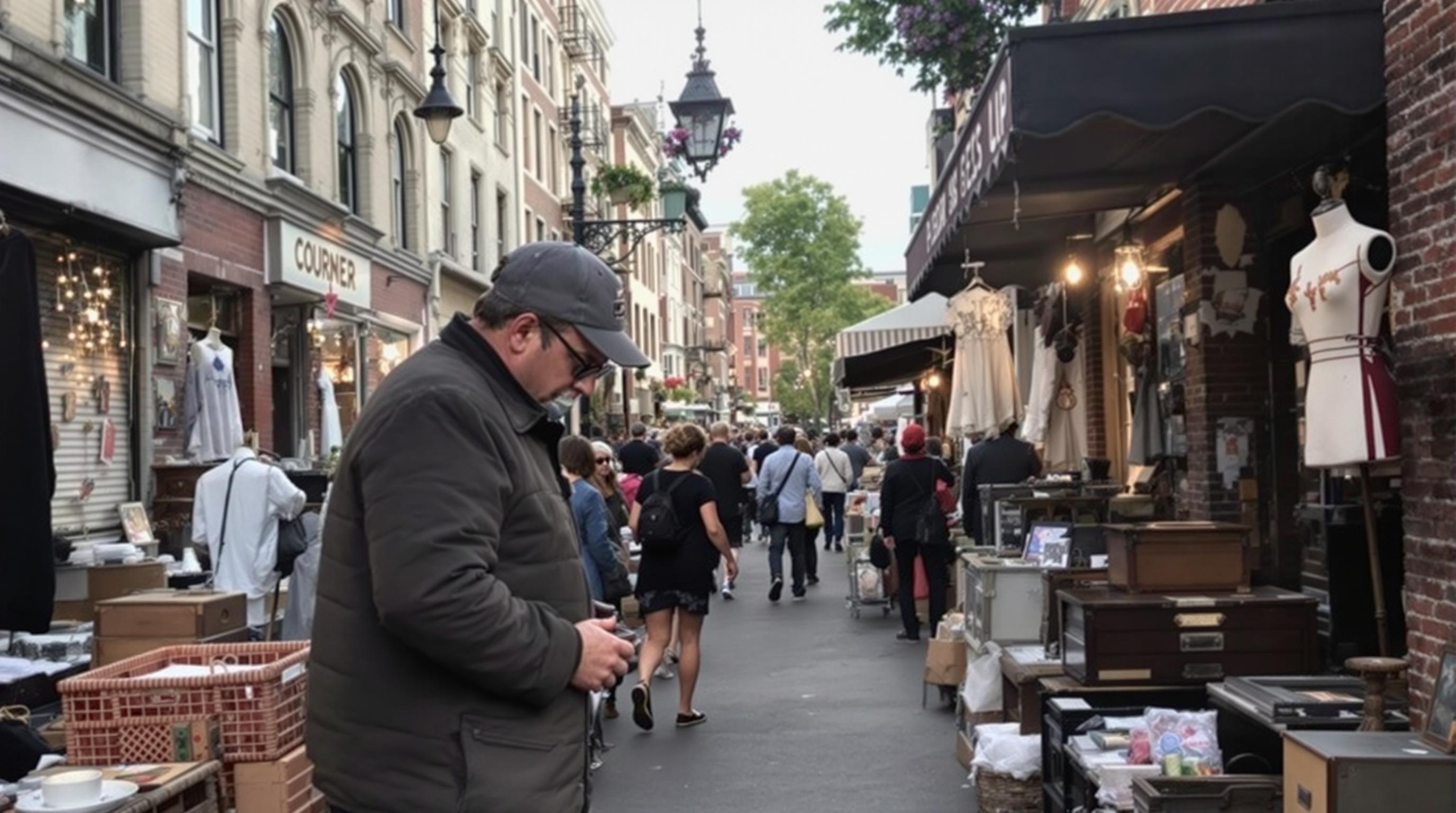
In an era where small businesses are the backbone of local economies, one quietly flourishing sector is that of quirky collectibles. From vintage vinyl records to rare action figures, these eccentric items not only delight collectors but also catalyze job creation and urban development.
What Are Quirky Collectibles?
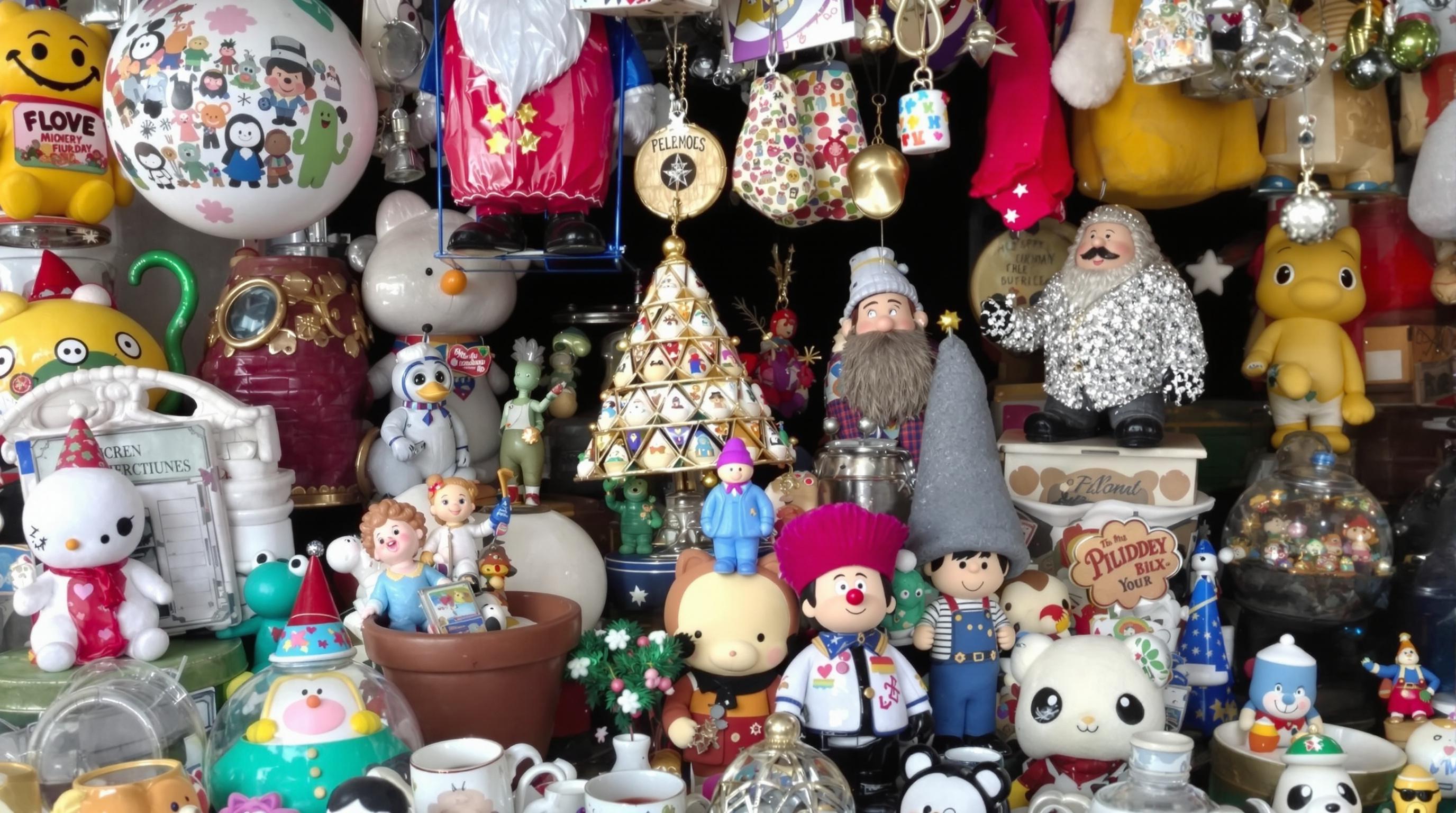
Now, let’s take a moment to define our protagonist: the quirky collectible. These are items that spark joy, provoke nostalgia, and often embody the peculiarities of culture. Think of old-school lunchboxes, retro video games, or even unique pieces of folk art. They serve not only as personal treasures but also as cultural artifacts that can resonate with communities.
Local Economies: A Specialty Cocktail
To understand the impact of quirky collectibles, let's take a look at the economic cocktail that fosters these gems. Local economies thrive when unique businesses attract both residents and visitors, creating a vibrant tapestry of commerce. According to a report by the American Independent Business Alliance, locally-owned businesses recycle about 3.5 times more revenue back into the local economy than their chain counterparts (AMIBA, 2020). This is where niche markets, such as quirky collectibles, come into play.
The Case of Vinyl Records
Consider the recent resurgence of vinyl records. Over the last decade, sales have skyrocketed, with the Recording Industry Association of America (RIAA) reporting that vinyl sales hit a 30-year high in 2022, reaching an impressive revenue of $1 billion. Small businesses, such as local record shops, not only benefit directly from these sales but also become hubs for community engagement, hosting events, and fostering a love of music. A vinyl shop in Portland, OR, called Music Millennium has found success by focusing on both new and used records, turning a passion into an economic driver.
A Local Example: The Massachusetts Town of Adams
In the small town of Adams, Massachusetts, a former mill town, quirky collectibles have breathed life into a struggling economy. The establishment of a vintage toy store, Amazing Toys, alongside a collectibles fair, attracted tourists from the surrounding areas. What started as a weekly gathering has turned into an annual event, bringing together thousands of collectors and curious visitors. The economic boost is palpable: the fair generates approximately $100,000 in sales across local businesses during the event alone.
Statistics That Speak Volumes
According to the National Collectors Association, over 100 million Americans collect something, which ultimately contributes around $2 billion to the economy. This statistic is often overlooked but highlights the staggering impact of passionate hobbyists on economic resilience. When communities rally around these collectible trends, the result can be both heartwarming and financially sustaining.
It’s Not Just Local: Global Impact
But what if we zoom out for a moment? The global collectible market is projected to exceed $400 billion by 2027 (Market Research Future, 2021). This boom can directly benefit local economies when collectors seek out unique items or support local artisans. For instance, collectibles like handmade jewelry and artwork made by local craftspeople have a dual role: boosting individual incomes and enhancing community identity.
Conversational Tones: A Collector's Perspective
Let’s talk about you—the reader. Are you an amateur collector? Maybe you have a dusty box of Pokémon cards in your attic. Believe it or not, these items can be worth a small fortune, with some rare cards fetching upwards of $500,000! If you’re fortunate enough to have some quirky memorabilia lying around, just know you might be sitting on a goldmine. In a funny twist, your strategic hoarding could actually lead to local revival!
The Antidote to Mass Consumerism
In a world dominated by fast fashion and mass production, quirky collectibles provide a refreshing antidote. They urge us to pause and appreciate the stories behind objects rather than simply acquiring items for consumption. This focus on uniqueness aligns with a broader societal shift towards sustainability and valuing craftsmanship, leading to a new type of consumer consciousness. Smaller businesses can thrive when they cater to this desire, creating not just a marketplace but a community of conscientious consumers.
Storytelling Through Collectibles
Stories are the lifeblood of any collectible community. Each collectible has a narrative, whether it’s a vintage lunchbox from your childhood or a rare comic book that shaped your teenage years. Brad, a 32-year-old history buff, remembers the moment he found a 1950s lunchbox in a local thrift shop that belonged to a kid in his hometown. "It felt like connecting to a past I never experienced," he shares.
These personal stories foster connections among collectors and fuel conversations that stimulate economic activity. Local shops become venues not just for transactions, but for storytelling and community bonding.
Community Events: Celebrating Uniqueness
Cities around the world have been tapping into the potential of quirky collectibles by hosting events celebrating these treasures. Take, for instance, the Funk Collectors Fair in Seattle, drawing individuals who revel in all things retro from vintage video games to kitschy kitchenware. According to the event organizers, foot traffic increased by 40% over the years as word spread, resulting in numerous small businesses flourishing through these niche sales opportunities.
Collectible Conventions: Fueling Local Tourism
Not just confined to town fairs, collectible conventions are reshaping local economies. Events like Comic-Con not only foster a love for pop culture but attract thousands of tourists each year. According to a report from San Diego’s Convention Center, Comic-Con generated approximately $86 million to the local economy in 2019. That’s significant! It’s a classic win-win: attendees enjoy the experience and local businesses benefit tremendously.
Why Quirkiness Matters
Why do some cities excel at cultivating these niche markets while others fizzle out? The secret ingredient often lies in embracing quirkiness. When cities celebrate their unique character and encourage local artisans, they create an inviting space for collectors to converge. Perhaps that's why places like Austin, TX, and Portland, OR, have earned reputations as meccas for the unpredictable – their willingness to highlight and support individual creativity is palpable.
Challenges Faced by Local Collectible Markets
However, it’s not all sunshine and rainbows. Like any other sector, the collectible market faces challenges. Online giants like eBay or Amazon can significantly undercut local businesses, leading to a race to the bottom on prices. Beyond that, the sheer scale of options available to potential buyers can desensitize them to local offerings. To combat this, local businesses will need to adopt innovative marketing strategies that leverage social media and community engagement. Building an online presence is no longer optional; it’s necessary.
Persuading the Community to Engage
Want to see your town blossom? Start engaging with local collectors! Imagine hosting a “bring your own collectible” night at your community center, or kicking off a collectors’ newsletter. Happily, community connections foster economic engagement. When citizens feel connected to their town through a hobby, they are more likely to invest in local businesses and become loyal advocates, extending the reach of quirky collectibles far beyond a simple transaction.
Closing Thoughts: The Future of Collectibles
Hidden fortunes lie waiting for communities bold enough to embrace the quirkiness of collectibles. By investing in these unique local markets, individuals not only create meaningful connections but also drive economic resurgence in their areas. As collectors celebrate the past, they simultaneously pave the way for a richer future. So next time you stumble upon an odd trinket or a quirky collectible, remember: you might just be fostering local economic growth in the process!
Read More