Related Articles
- Reviving Ancestral Wisdom: How Outdated Superstitions Can Shape Contemporary Mental Health Practices
- Veiled Histories: How Little-Known Figures from the Past Can Transform Contemporary Leadership Approaches
- The Art of Disruption: How Past Rebellions Shape Today's Entrepreneurial Spirit
- Lost in Translation: The Surprising Role of Language in the Evolution and Misunderstanding of Global Currency
- Currency as a Canvas: Exploring the Intersection of Politics, Propaganda, and Artistic Expression in Monetary Design
- Unmasking the Shadows: How Currency Forgers Shaped Financial Trust and Safety Through the Ages
Hidden Gains: Unearthing the Surprising Economic Impact of Vintage Resale Markets on Urban Development
Hidden Gains: Unearthing the Surprising Economic Impact of Vintage Resale Markets on Urban Development
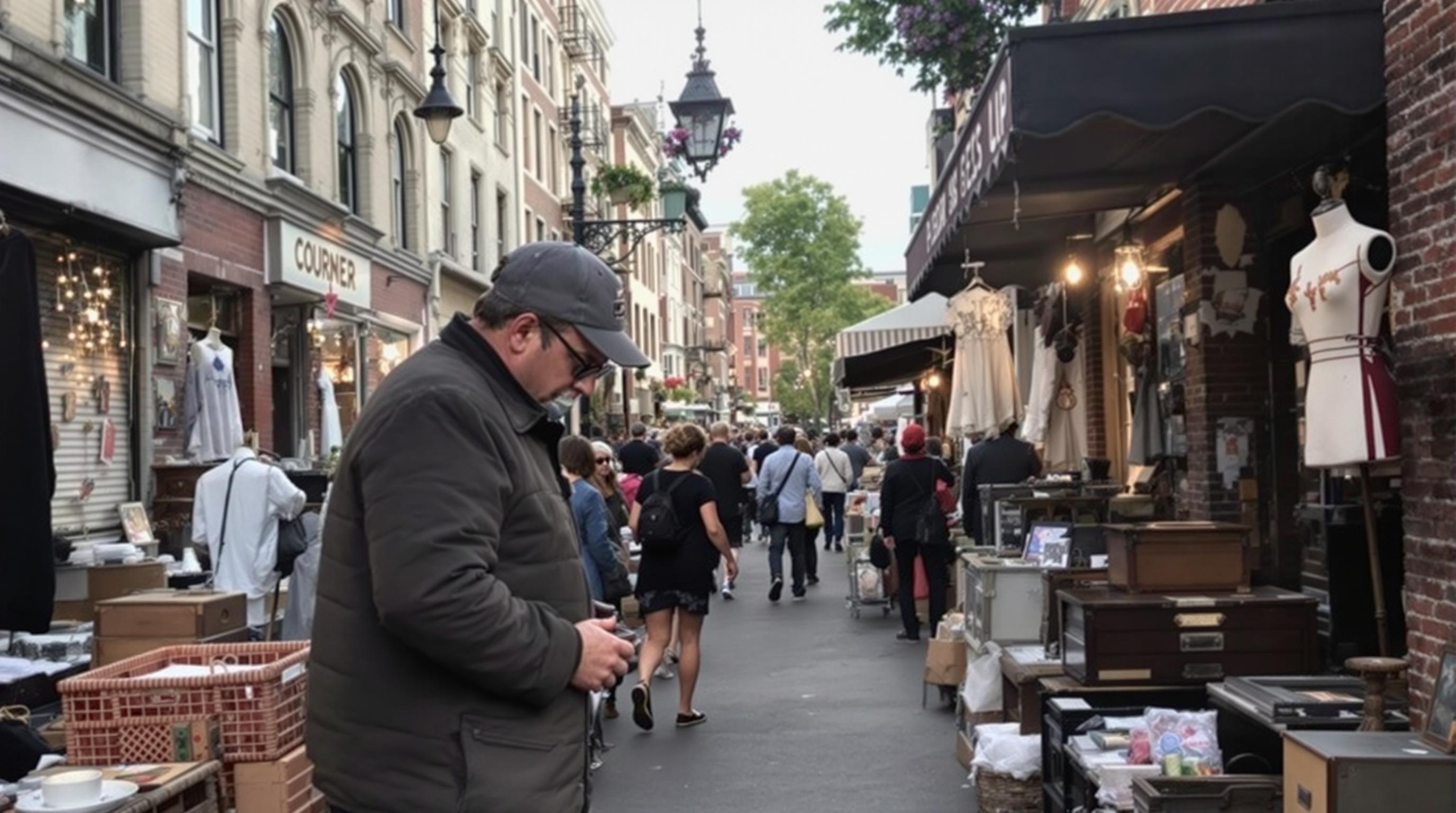
The vintage resale market is not just about thrifting for unique fashion finds; it's a dynamic force that can drive urban development and economic revitalization. By examining the surprising impacts of these markets, we can uncover how they contribute to local economies, influence community identities, and inspire a new wave of entrepreneurial spirit.
The Rise of Vintage Resale Markets
Believe it or not, the vintage market in the U.S. was valued at about $36 billion in 2021 and is projected to grow significantly in the coming years, reaching a staggering $64 billion by 2024 (ThredUp). With sustainable practices becoming a priority for consumers, vintage and thrift shopping are no longer seen as mere alternatives but rather vital components of modern consumer behavior. In this sense, these markets are not just a fashion statement; they represent a significant shift in how we engage with consumption.
Why Vintage? The Economics of Thrift
At its core, vintage resale is a beautiful marriage of smart economics and cultural nostalgia. Spending less money on clothing and home décor means more cash can flow into local businesses, fostering a vibrant local economy. Moreover, according to a report from the Secondary Materials and Recycled Textiles Association (SMART), the average thrift store generates over $200,000 annually, contributing positively to their neighborhoods.
Case Study: The Magic of Portland's Thrift Store Scene
Portland, Oregon, is famous for its eclectic thrift store scene, which reflects the city's emphasis on sustainability and local craftsmanship. In fact, a study by the University of Portland explored how resale markets contributed to the city's low unemployment rates, highlighting that thrift stores not only create jobs but also often employ individuals facing barriers to traditional employment. As a community thrives around these stores, local artisans emerge, craft fairs make their debut, and the urban landscape becomes richer. Who would've thought that a city could be shaped by second-hand clothing?
Urban Development and Vintage Resale Markets: A Symbiotic Relationship
Vintage resale markets don’t simply exist in a vacuum; they thrive in urban areas marked by diverse populations and cultural richness. In fact, these markets can catalyze urban revitalization efforts. In Chicago, for instance, the emergence of vintage shops along the Milwaukee Avenue corridor has spurred an influx of foot traffic, leading to new bars, cafes, and restaurants being established. Eight years ago, this area was largely overlooked; today, it's a cultural hotspot, thriving through the vintage community.
Changing Perceptions: From Stigma to Status
Remember when shopping at thrift stores came with a stigma? Luckily, attitudes have shifted, especially among younger consumers. According to a survey by GlobalData, 57% of Gen Z respondents were interested in buying second-hand items, viewing them as trendy and sustainable. Therefore, vintage stores have become not just shopping venues but lifestyle choices that reflect contemporary values around sustainability and uniqueness.
Funny Business: The Thrift Store Treasure Hunt
Let’s not forget the joy of the hunt! There’s a certain humor in digging through racks to find that one gem—a retro windbreaker or classic vinyl—awaiting discovery. One thrift store owner hilariously noted that some customers come in "just to find the worst possible shirt." There’s undoubted value in the thrill of scavenging, a comedic rivalry with fellow vintage hunters, and the potential for delightfully bizarre finds that can become anarchistic conversation starters.
Environmental Impact: Sustainability Meets Urban Revitalization
Not only do vintage resale markets drive economic benefits, but they also play a pivotal role in sustainable practices. According to the Environmental Protection Agency, the average American throws away approximately 81 pounds of clothing each year, contributing to the growing problem of textile waste. By extending the lifecycle of clothing and goods through resale, vintage markets are reducing landfill contributions and promoting more environmentally responsible consumption. Small businesses, often driven by local entrepreneurs, are at the forefront of reshaping consumer habits around sustainability. By reusing and recycling, these businesses help foster a culture that values conservation over consumption.
Building Community: The Vintage Hub Effect
When it comes to the success of these markets, community engagement is key. Vintage stores often become community hubs where people gather, share stories, and exchange ideas. Events like swap meets, DIY workshops, and local artist showcases regularly occur in these spaces. For example, in 2022, a vintage expo in Los Angeles attracted over 10,000 attendees, showcasing the potential of vintage markets as central gathering spaces. This suggests that the value generated by resale markets extends beyond economic gains, underpinning social connections and community resilience.
Local Businesses and Vintage Alliances
The rise of vintage resale markets also fosters collaboration between businesses. For instance, some thrift shops have partnered with local coffee shops, maximizing foot traffic for both entities. When customers pop into a thrifty store to browse, they can grab a cup of artisan coffee, fueling their shopping patiently as they sift through racks. It’s a win-win scenario that cultivates an environment of synergy.
From Hobby to Enterprise: The Vintage Entrepreneur
As a 25-year-old writer who started collecting vinyl records and vintage clothes in college, I can tell you firsthand about the burgeoning career opportunities in the vintage resale market. With social media platforms like Instagram and TikTok, aspiring entrepreneurs can start small businesses from their bedrooms, curating collections and promoting them to a wider audience. Vintage influencers showcasing their finds on social media platforms are transforming thrifted goods into hot commodities. Reports estimate that on platforms like Depop, sellers can earn anywhere from $300 to over $1,200 a month selling shirts, shoes, and accessories discovered in local thrift stores.
Resilience in Times of Crisis
Interestingly, vintage markets have also demonstrated resilience during economic downturns. Following the COVID-19 pandemic, many consumers shifted from fast fashion to vintage and second-hand clothing due to financial constraints and a growing awareness of sustainability. This pivot not only provided a practical solution for budget-conscious consumers but also supported local businesses facing difficult times. “We were worried about how to keep our doors open,” one retailer in New York City shared. “But vintage sales exploded as more people leaned into supporting small businesses.”
Future Prospects: Where Vintage Meets Modern
The future looks thrilling for vintage resale markets, with technological advancements paving the way for further growth. Virtual reality showrooms and augmented reality fitting rooms may soon become standard as retailers look to create immersive shopping experiences. Platforms such as Poshmark and ThredUp are already implementing these innovations, catering to future generations and further solidifying the vintage resale market’s economic clout within urban development.
The Takeaway: Vintage Markets as Economic Change Agents
The vintage resale market may appear niche at first glance, but as we have explored, it serves as a multifaceted powerhouse for economic growth and urban development. From fostering community engagement to driving environmental sustainability, the long-lasting impacts are undeniable. Urban planners, local governments, and community leaders need to recognize the potential locked within these markets as they strategize cities’ future development. As more individuals embrace second-hand shopping, vintage retailing will undoubtedly continue to shape our urban landscapes, breathe new life into tradition, and reveal the hidden gains resting within rusty racks and gently worn fabrics.
The Final Vintage Word
So, the next time you’re sifting through the aisles at your local thrift store in search of the ultimate vintage find, remember you’re not just a shopper; you’re a vital part of a growing economy. Whether you find a high-waisted pair of jeans or a classic lamp from the ’70s, you’re contributing to something larger. We are all pieces in the quilt of local community and urban development, stitched together by the shared love for all things vintage. Keep thrifting!
Read More