Related Articles
- Reviving Ancestral Wisdom: How Outdated Superstitions Can Shape Contemporary Mental Health Practices
- Veiled Histories: How Little-Known Figures from the Past Can Transform Contemporary Leadership Approaches
- The Art of Disruption: How Past Rebellions Shape Today's Entrepreneurial Spirit
- Lost in Translation: The Surprising Role of Language in the Evolution and Misunderstanding of Global Currency
- Currency as a Canvas: Exploring the Intersection of Politics, Propaganda, and Artistic Expression in Monetary Design
- Unmasking the Shadows: How Currency Forgers Shaped Financial Trust and Safety Through the Ages
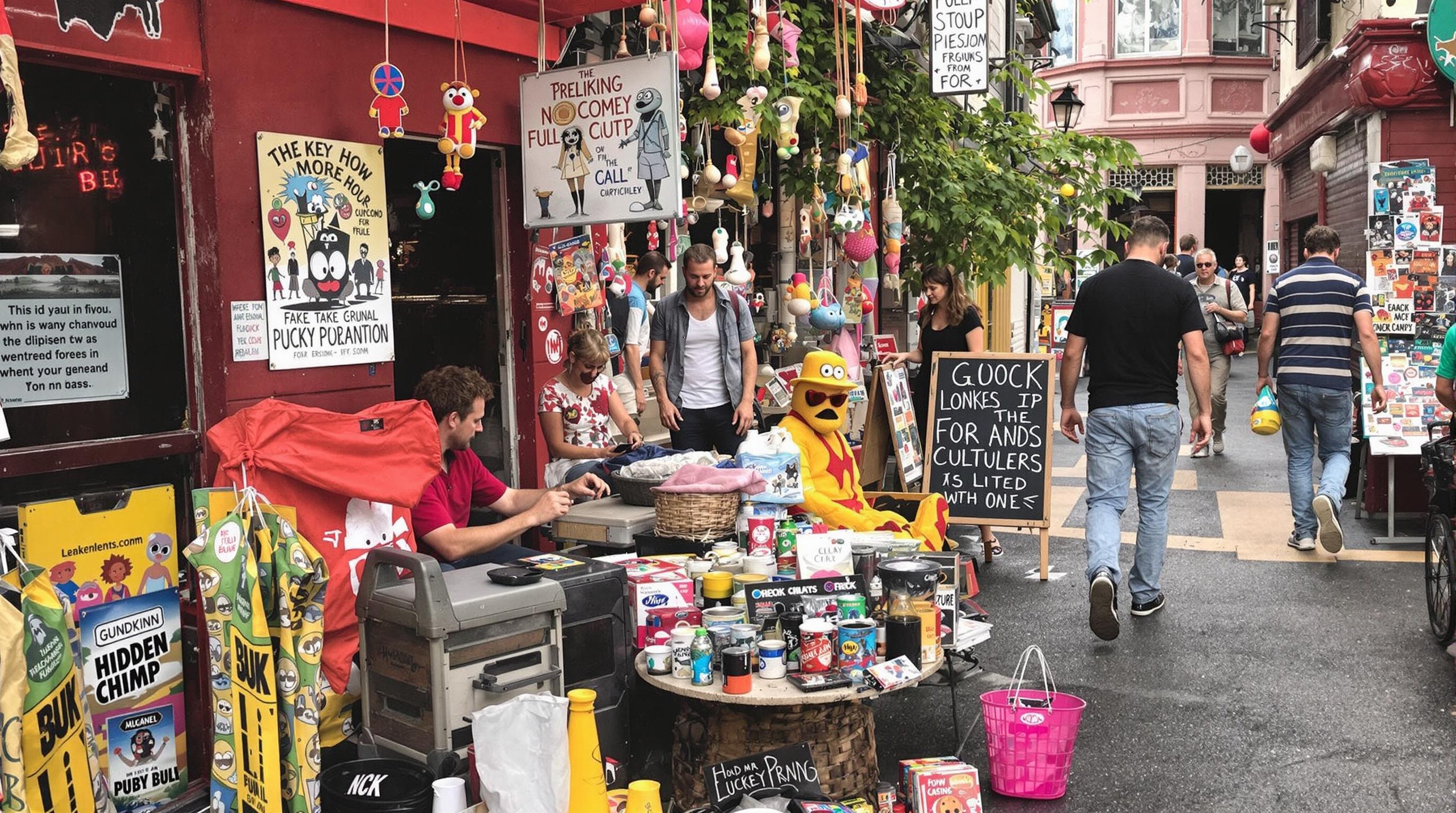
Hidden Treasures: How Quirky Subcultures Ignite Unlikely Economic Opportunities in Unexpected Regions
Hidden Treasures: How Quirky Subcultures Ignite Unlikely Economic Opportunities in Unexpected Regions
Quirky subcultures hidden in unexpected regions are not just amusing phenomena; they also serve as goldmines for economic opportunities. By tapping into the unique passions and skills of these communities, businesses and local governments alike can uncover avenues for growth, innovation, and cultural exchange.
Unraveling the Fabric of Subcultures
Subcultures often arise in response to a complex mix of social, economic, and cultural factors. Take, for instance, the captivating world of “Steampunk,” a subculture that blends Victorian aesthetics with futuristic technology. Originating from the literary works of authors like Jules Verne and H.G. Wells, Steampunk has burgeoned into a thriving movement encompassing fashion, art, and creative literature. The global market for Steampunk-related merchandise is estimated to exceed $300 million annually. However, the impact on local economies in cities like Albuquerque, New Mexico, where significant Steampunk conventions are held, demonstrates an even more surprising narrative. Local hotels, restaurants, and shops report significant revenue bumps during convention weekends, showcasing how a small niche can have sprawling effects.
The Power of Community Engagement
Take the village of Bellows Falls, Vermont, which has turned its quaint charm into an unexpected economic stimulus through a vibrant community-driven art scene. Residents, primarily artists and creatives, organized seasonal festivals that celebrated everything from chalk art to knitting. Believing that their quirky lifestyles and whimsical talents held economic potential, they acted on it. In just five years, the local economy saw a 50% increase in tourism, with 2020 reports noting that art festivals drew over 30,000 visitors annually—bringing in an estimated $2.4 million in revenue. The people of Bellows Falls transformed their community, showing that when individuals take ownership of their cultural assets, mountains can move.
The Surprising Appeal of the Uncommon
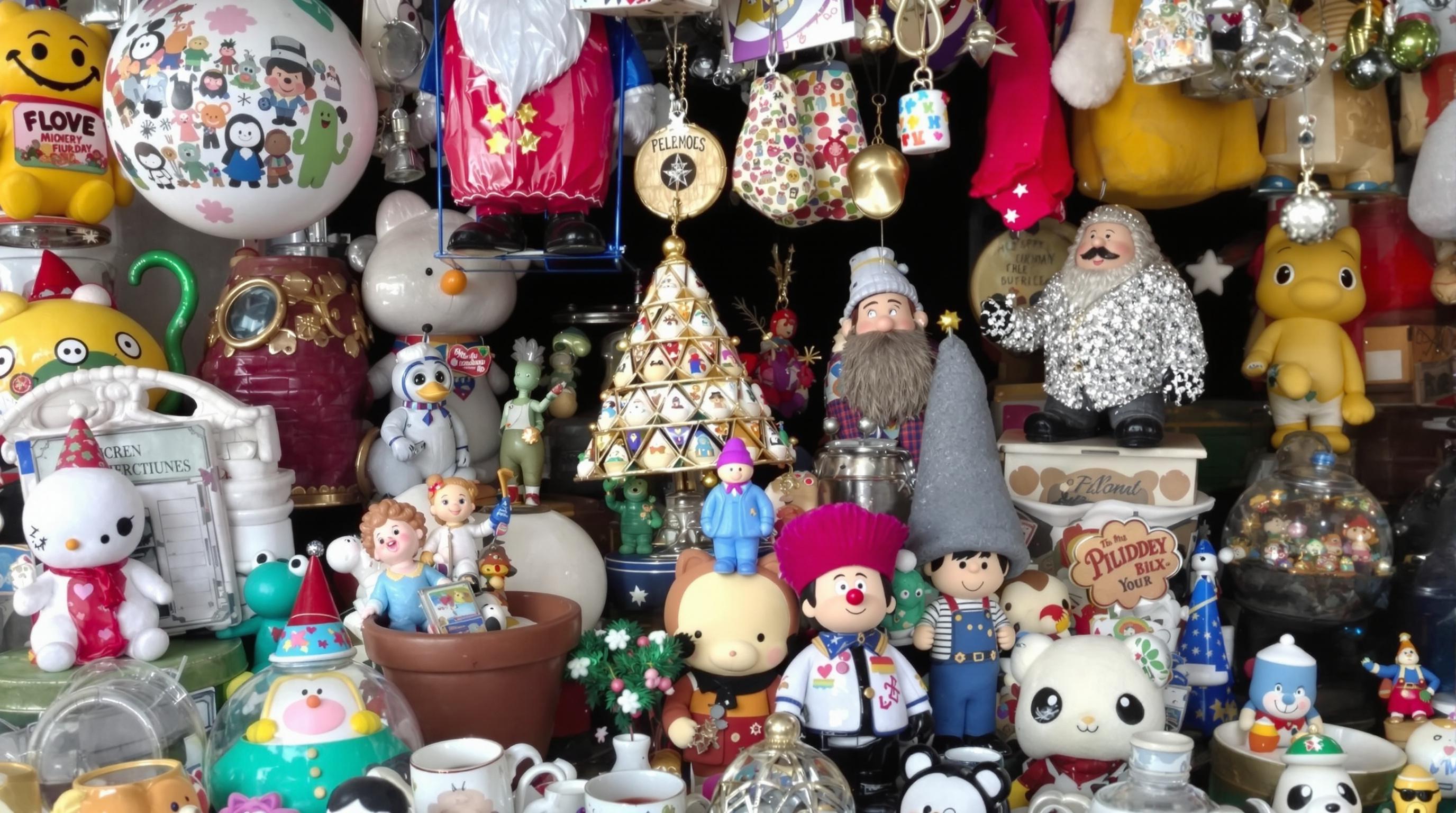
Now, let’s talk about “Elf” culture. Yes, you read that right. Entire communities in places like Portland, Oregon, and Fairbanks, Alaska, have committed to embracing a lifestyle inspired by mystical creatures, complete with whimsical attire and gatherings that spark curiosity. While this might sound outlandish, these communities host events that attract tourists, and souvenirs like elf hats and hand-crafted jewelry sell like hotcakes. Nowadays, niche markets have become a significant segment of the overall retail economy, attracting people eager for unique experiences—so much so that niche-focused shops regularly report up to 70% profit margins. Can you believe the smiling faces of elves boosting local economies?
Innovative Startups Shaped by Subcultures
The rise of Vantablack; an art collective notorious for its unconventional creative expression, began in an unassuming garage in San Francisco. This collective, made up of various artists, designers, and musicians, birthed an array of startups that have collectively amassed over $15 million in funding. Specializing in immersive art experiences, they’ve turned their unique aesthetic into a lucrative business. Whether it’s the illusion of floating canvases or interactive digital art, their offerings demonstrate that a quirky community can blossom into a thriving entrepreneurial endeavor.
Data-Driven Insights: The Numbers Behind the Trends
According to a 2022 report by McKinsey & Company, subcultures contribute an astonishing estimated $350 billion to the U.S. economy. Niche businesses born from subcultures have created nearly 4 million jobs within a decade. In the past, traditional businesses scorned any connection to these eccentric lifestyles, viewing them as mere fads. However, today, the tapestry of the economy is woven with threads from diverse subcultures, highlighting their undeniable impact.
Climate Activism: An Emerging Economic Force
One of the most powerful examples of a subculture morphing into a significant economic opportunity is the climate activism movement. Young activists are reshaping the way businesses operate, urging them to adopt greener practices. Startups focusing on sustainability have surged, with a 38% increase in eco-friendly small businesses registered in 2021 alone. The rise of vegan food trends and sustainable fashion choices illustrate that when people passionately rally behind a cause, it opens up a multi-billion-dollar market for innovators willing to cater to their ideals.
Storytelling Through Quirk
Consider the “Slow Food” movement, which began in Italy as a protest against fast food and has morphed into a global phenomenon. This unique grassroots initiative promotes local, sustainable, and traditional food. In San Francisco, for instance, Slow Food Nation created a 3-day event that drew more than 60,000 visitors. The local restaurants reported a 300% rise in customers during this time, while California's artisanal producers sold out their handcrafted products. The intersection of culture and commerce was vividly illustrated through Slow Food’s vibrant storytelling, highlighting how every meal can represent a community’s heritage.
Humor in the Unlikely
Humorous niches also drive economic growth. “Competitive Beard and Mustache Championships,” for example, draw crafty competitors and spectators alike, creating a weekend of fun that benefits local businesses. In 2019, the championship hosted in Austin, Texas, attracted 3,000 visitors, translating to a reported $1 million in tourism revenue over just two days. As the competitors strutted and posed with their creative facial hair, local hotels and restaurants roared with laughter and sold-out rooms, capitalizing on injects of wit stemming from this quirky niche.
A Case Study in Resilience
Let’s pivot gears to a town in Italy called Cologna Veneta. After facing economic decline, local residents tapped into their heritage, celebrating quirky traditions such as the “Festa del Radicchio”—an annual festival dedicated entirely to a local variety of radicchio. In its first year, the festival attracted over 10,000 visitors, revitalizing the economy by injecting millennials into an otherwise quiet town. With hundreds of vendors and local restaurants participating, the event represented a beautiful collage of tradition and innovation that eventually turned into a robust cultural identity, shaping economic expansion.
How Communities Can Cultivate Their Unique Quirks
For stakeholders and community leaders, supporting quirky subcultures can seem daunting. Moreover, diving into untapped opportunities requires creative vision and dedication. Start by encouraging local initiatives, providing platforms for artists, creators, and activists to share their talents. Develop policies that offer tax breaks for creative businesses and organizations that promote local culture. Host unique events that celebrate the unusual and foster partnerships between diverse groups to enhance engagement. By valuing the quirky elements of a community, one can tap into a wellspring of economic opportunity.
Conclusion: A Treasure Trove Awaits
In conclusion, the great tapestry of human creativity is often depicted through the lens of unusual subcultures. These quirky communities, brimming with passion and distinctive charm, provide a fertile ground for economic opportunities that can revitalize regions overlooked by traditional business models. We have only scratched the surface of these hidden treasures—fueled by art, activism, humor, and innovation—that await discovery.
So next time you're traveling off the beaten path, keep your eyes peeled for the peculiar: You may just stumble upon a hidden treasure that not only mesmerizes but also serves as the cornerstone for economic revitalization!
Read More