Related Articles
- Reviving Ancestral Wisdom: How Outdated Superstitions Can Shape Contemporary Mental Health Practices
- Veiled Histories: How Little-Known Figures from the Past Can Transform Contemporary Leadership Approaches
- The Art of Disruption: How Past Rebellions Shape Today's Entrepreneurial Spirit
- Lost in Translation: The Surprising Role of Language in the Evolution and Misunderstanding of Global Currency
- Currency as a Canvas: Exploring the Intersection of Politics, Propaganda, and Artistic Expression in Monetary Design
- Unmasking the Shadows: How Currency Forgers Shaped Financial Trust and Safety Through the Ages
Pioneering Pastimes: How Hobbies-turned-Businesses are Reshaping Local Economies in Surprising Ways
Pioneering Pastimes: How Hobbies-turned-Businesses are Reshaping Local Economies in Surprising Ways
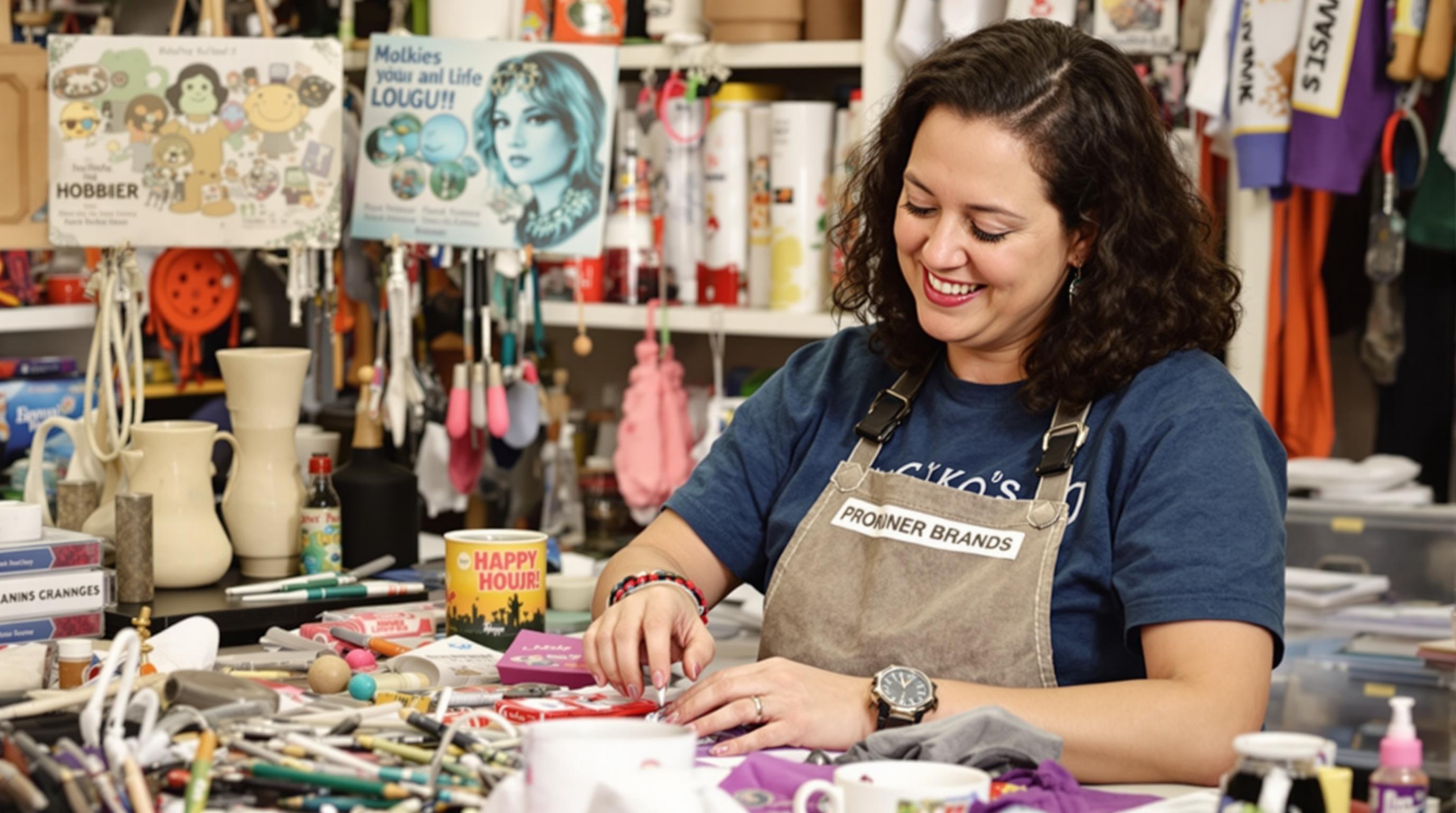
In recent years, countless individuals have transformed their hobbies into thriving businesses, significantly impacting local economies. From artisanal crafts to tech startups, these ventures are not only driving economic growth but also fostering community connections in unexpected ways.
The Rise of Hobby Businesses
The trend of turning hobbies into businesses is not merely a passing fad; it has become an essential element of modern entrepreneurship. According to a report from the Small Business Administration, approximately 70% of small businesses start from the owner's passion or hobby. This number highlights a significant shift in how people view work and entrepreneurship today.
Profiles in Passion: Some Real-Life Examples
Take the story of Sarah, a software developer by day and a candle-maker by night. After several years of creating custom candles for family and friends, Sarah launched her own online store, “Sarah’s Sweet Scents.” Within a year, her annual revenue exceeded $120,000, and she now employs three part-time staff members. Not only has Sarah’s venture created jobs, but it has also stimulated the local economy through her sourcing of materials from small businesses within her community.
On the other side of the spectrum, consider Tom's venture into woodworking. Starting with furniture repairs as a weekend hobby, Tom’s craftsmanship caught the eye of neighbors, leading him to establish "Tom's Timberworks." His unique designs and keen attention to detail resulted in a 2022 revenue estimate of $250,000—much to the surprise of his former corporate colleagues. More than profits, Tom emphasizes community, fostering workshops for aspiring woodworkers, effectively building a local creative hub.
The Domino Effect on Local Economies
As these passion-driven businesses flourish, they inevitably create a ripple effect within their local economies. When a hobbyist-turned-entrepreneur invests in their community, they inspire a cycle of growth that benefits everyone. A study by the National Federation of Independent Business revealed that locally owned businesses recirculate about 3.5 times more money in the local economy than their non-local counterparts. So, when you buy a handcrafted product from a local artist, you’re not just making a transaction; you’re supporting your community's sustainability.
The Role of Technology in This Shift
Technology plays a crucial role in enabling hobbies to blossom into successful businesses. Platforms like Etsy, Shopify, and Instagram have leveled the playing field for small entrepreneurs. A study found that 54% of small business owners believe that social media played a crucial role in starting and growing their business (Statista, 2023). Today, an artist can reach potential customers across the globe without the traditional overhead costs of a brick-and-mortar store.
Statistical Impact of Local Businesses
Statistics reveal an astounding truth: communities with a higher density of local businesses report greater economic resilience. They are typically less susceptible to market fluctuations, as they operate on a grassroots model. A report by Civic Economics found that for every $100 spent at local businesses, roughly $68 remains within the local economy, compared to just $43 that stays with non-local firms. This data underlines the importance of supporting local entrepreneurs.
Challenges and Solutions in Turning Hobbies into Profits
Of course, the journey from hobbyist to business owner comes with its challenges. For many, balancing a full-time job with running a side business can lead to a loss of personal time and burnout. Communication expert Emily Morgan notes, “It's easy to lose sight of your initial passion when it becomes a source of stress.”
However, there are solutions. Time management workshops, mentoring programs, and local coworking spaces can provide invaluable support for aspiring entrepreneurs. Organizations like SCORE offer free business mentoring, helping individuals navigate the initial hurdles of establishing their enterprises.
The Importance of Community Support
Backing from the local community can significantly impact the success of these hobby businesses. Initiatives such as local craft fairs, farmers markets, and pop-up shops provide platforms for entrepreneurs to showcase their goods. As noted by economic development expert Dr. Jennifer Klein, “When communities come together to support individual passions, they elevate the entire economy.”
A Shift in Consumer Behavior
Consumer behavior has evolved, with a notable shift toward valuing unique, locally produced items. According to a survey by Civic Economics, 77% of consumers expressed a preference for buying local and supporting small businesses. This change gives hobbyists-driven businesses an edge, as they can offer products that are not only crafted with love but are also inherently unique.
Uniquely Crafted Experiences
Beyond products, many hobbyists are turning their skills into service-based offerings. For instance, cooking classes, pottery workshops, and guided hiking tours have all blossomed into successful business models. These experiences foster a sense of community while allowing hobbyists to monetize their passions. Jessica, who turned her love for cooking into a business, now hosts cooking classes in her studio. “I love sharing what I know and meeting new people who share my passion for food,” she exclaimed during a recent class.
The Future: Sustainable Growth
As we look towards the future, the trend of turning hobbies into businesses is likely to continue its upward trajectory. This economy transformation is supported by the increasing importance of sustainability. Many consumers are now actively seeking out local products and services that align with their values.
A 2023 survey conducted by GreenBiz Group found that 82% of consumers prioritize sustainable products, further illustrating the demand for local small businesses. Entrepreneurs with a focus on eco-friendly practices, locally sourced materials, and community engagement are poised to thrive in this environment.
The Final Thoughts: Embracing Passion
The intersection of hobbies and entrepreneurship offers a unique opportunity for individuals to embrace their passions while positively impacting their communities. As Sarah and Tom, along with countless others, demonstrate, local economies can flourish when residents invest in their dreams.
If you’re considering launching a side business, remember that it’s not just about profitability; it’s about community connection, personal fulfillment, and fostering a vibrant local economy. And who knows? Your hobby might just be the next great success story reshaping your town in unforeseen ways.
So, whether you’re crafting candles, baking artisanal bread, or programming that special app, know that your passion could be a cornerstone in a thriving local economy. Embrace it, nurture it, and share it with the world! You might be surprised at the change one person's hobby can bring. After all, every great business starts with just a small spark of enthusiasm.
Read More